Key Takeaways:
- Roof tiles are manufactured, requiring burning clay in a kiln. They are available in a far greater choice of designs and colors than natural slate.
- Roof tiles are highly durable, and ordering tiles to meet specific demands is quite simple.
- While roof tiles typically don’t require much maintenance, examining them regularly and repairing any cracked or broken ones as needed is still necessary.
- Natural slates vary in color, composition, and texture depending on where they are quarried.
- Welsh, Spanish, and Brazilian slates are the most common types of natural slate.
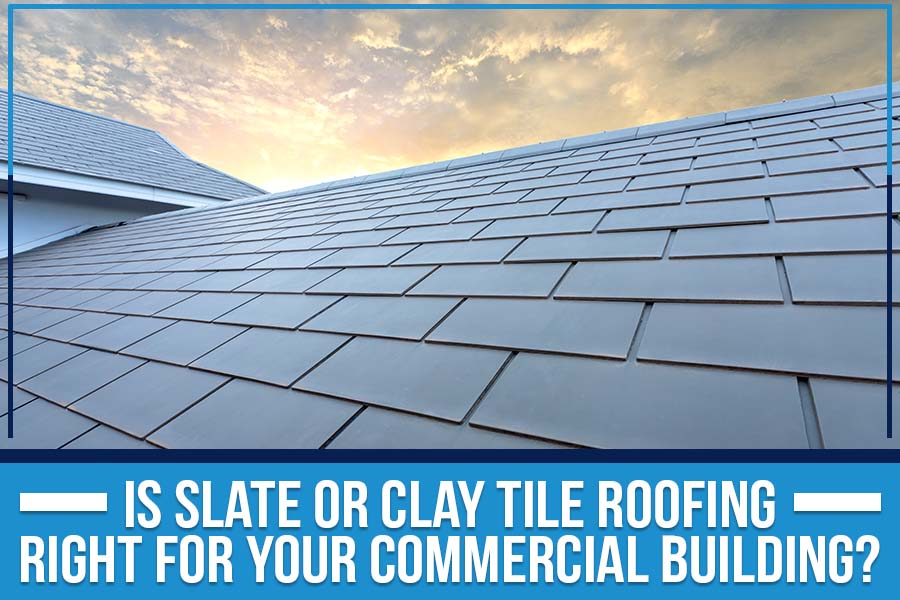
- Manufactured slates are low-profile fiber cement with smooth surfaces and square-cut edges.
- Be cautious when installing clay tile or slate, as they require additional support due to their weight.
If you own a business property, you know that roofing is one of the most significant components of your structure. It not only protects your valuables from the weather, but it also says something about your company. When deciding on the quality material for your roof, many elements, including the budget, aesthetics, and location, will come into play.
Many property owners debate whether to use roofing slates or clay tiles, two of the most common roofing materials. But how can you determine which one is best for your structure? In this blog, Priority Roofing will look at the technicalities, benefits, and drawbacks to help you choose the proper roof covering for your building project.
Understanding Roof Clay Tiles:
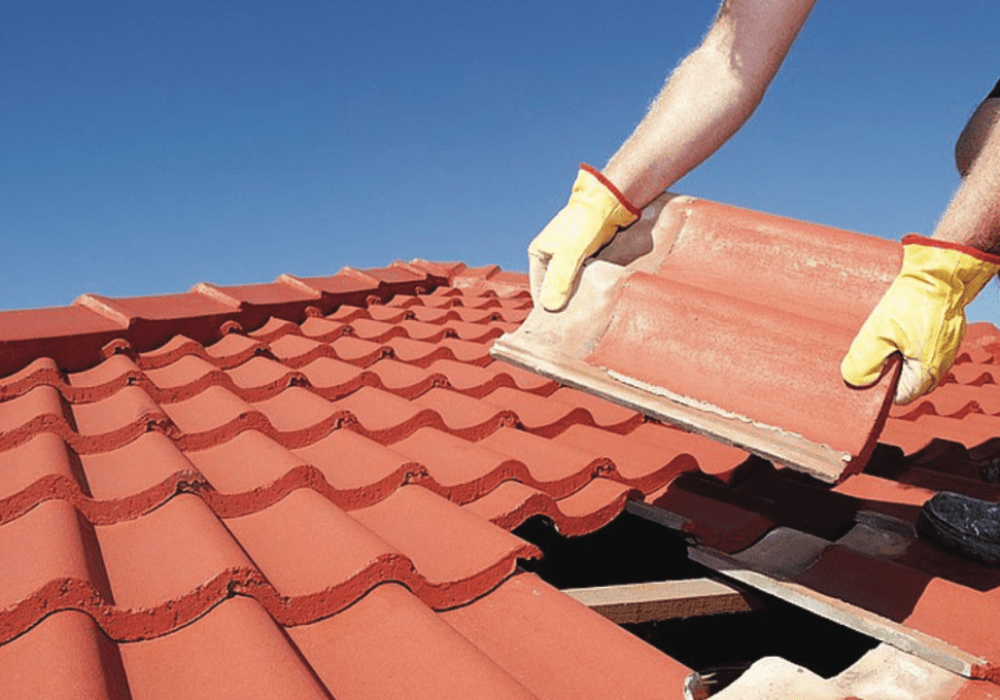
Roof tiles are manufactured by burning clay in a kiln. They are available in a far greater choice of designs and colors than natural slate since they are manufactured. This might make a roof tile more appealing to people looking for a specific color or design impact.
Durability:
Roof tiles are made of highly durable materials, and choosing them means choosing a sturdy, lasting material with a lifespan of more than 50 years, and frequently above 100 years in the case of clay roof tiles.
Price:
Naturally, price is a consideration, and roof tiles are less expensive per square meter than natural slate, making them more suitable for projects on a tight budget. Clay tiles are best for people that require a long-lasting, practical roof tile that isn’t overly complicated.
Accessibility:
Roof clay tiles are highly adaptable and are created in a broad range of sizes, forms, and colors, with a greater range of accessories than slates, allowing tiles to be used on slopes, and exterior corners on vertical building face, for example. As a result, even if the project is more involved, such as an unusual roof form, ordering tiles to meet specific demands is quite simple.
Construction Time and Maintenance:
Since tiles are manufactured, they do not require on-site sorting and grading like slates and are typically quicker to lay and place onto the roof; thus, finishing your project is more manageable and may take less time. Many roof tiles may be put at significantly lower pitches than slates, making them appropriate for low-pitch applications such as single-story expansions. While roof tiles are typically simple maintenance, it is still necessary to examine them regularly and repair any cracked or broken ones as needed, as well as avoid moss buildup.
Understanding Roof Slates:
Roof slates are classified into two types: natural slates and manufactured slates.
Natural slates vary in color, composition, and texture depending on where they are quarried, with Welsh slates, Spanish slates, and Brazilian slates being the most common. They are available in various sizes, but the size is purely cosmetic and has no influence on a slate roof’s weather resilience or lifespan.
Welsh Slates:
Welsh slates are extracted throughout North Wales and have been a prominent roof covering since Victorian times. Because this is a premium product quarried by British craftspeople, and demand outstrips supply, it should be considered a premium roofing material for projects where price ‘is no concern.’
Spanish Slate:
For decades, Spanish slates have been the best-selling natural slate: they have a similar appearance to Welsh slates, have striking shade variations, will not fade even in direct sunlight or harsh conditions, and are available at a quarter of the cost of Welsh slates, making them the most popular natural slate year after year. The price of these slates reflects the quality and consequent warranty length; nonetheless, with Spanish slates, you are guaranteed a wonderful-looking roof that is reasonably easy to lay and has a long service life.
Brazilian slate:
Brazilian slate is a relatively new type of natural slate on the market. It is becoming increasingly popular because of its low cost and attractive appearance. These slates are extracted from quarries in Brazil and have a smooth, consistent surface with minimal color variation.
Manufactured slates:
Manufactured slates are low-profile fiber cement slates with smooth surfaces and square cut edges that provide a sleek, visually beautiful finish. They are among the toughest slates available and are popular with architects and roofers due to their minimal waste and simplicity of installation. They are suitable for both roofing and vertical building facade applications. Because these slates are recyclable and have a minimal carbon impact, it is simple to understand why they are a popular choice for all new construction and renovation projects.
Be cautious!
Due to the exceptionally high weight of clay tile and slate, supplementary roof support systems are frequently required when installing these materials. Even with additional support, the weight of these items can contribute to the ultimate collapse of a structure in the case of a structural fire or earthquake. It should also be noted that tile and slate are brittle and can fracture and break when stepped on. This might make routine maintenance, such as gutter cleaning and painting, difficult. If the tiles become loose in severe winds, they may blow away and cause damage to nearby structures.
Which One Is Right for Your Commercial Building?
It depends on various factors, including the climate, the building’s usage, and your budget. Slate is an excellent choice for buildings in cold climates because it doesn’t absorb heat or moisture. It’s also a good choice for historic buildings because it has a long lifespan. However, slate is one of the most expensive roofing materials.
Clay tile is a good choice for buildings in warm climates because it reflects heat and doesn’t absorb moisture. It’s also a good choice for buildings with flat roofs because it can withstand high winds. However, clay tile is susceptible to damage from hail and needs to be replaced more frequently than slate.
Trust Priority Roofing for installing clay, tile, and slate roofing in San Antonio. We offer a 20-year craftsmanship warranty and no-leak assurances on our commercial roof systems, so you can rest assured that your investment is secure!
Key Takeaways:
- Regular roof inspections ensure that your home’s roof is always in top condition.
- Inspections can identify any areas where insulation is needed, leading to potential savings on energy bills.
- Take your time – schedule a roof inspection before the busy fall season hits.
- Don’t wait for disaster to strike – protect your home and schedule a commercial roof inspection today!
- Priority Roofing offers roof restoration services to customers in Houston, TX, and the surrounding areas.
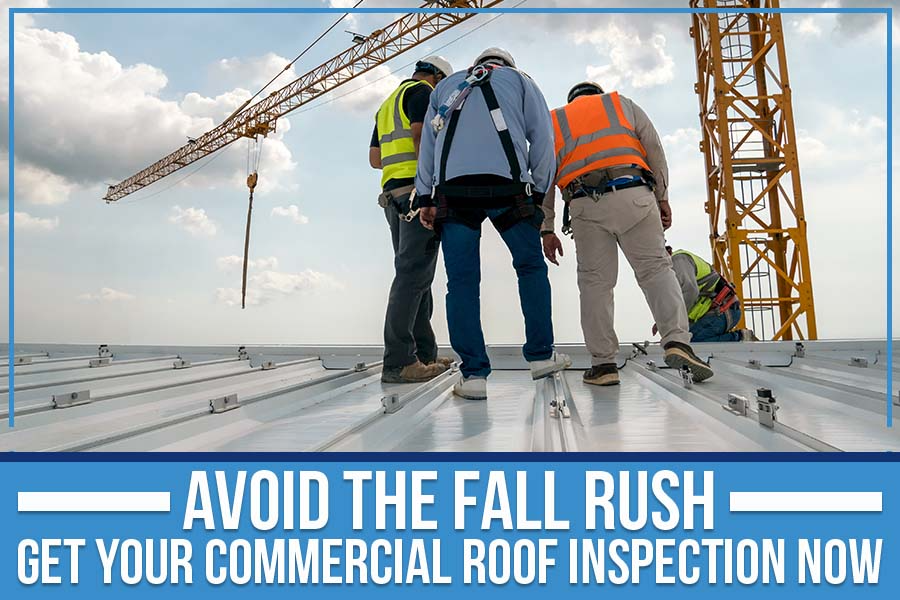
Summer is ending, which means one thing for business owners – the fall rush is just around the corner. Many businesses put off important tasks until the last minute, and roof inspection is no exception. However, having your roof inspected before the fall is essential – doing so could lead to costly repairs down the road. Priority Roofing will discuss why it’s crucial to inspect your roof before the weather turns bad. We’ll also provide a few tips on how to find a quality roof inspector.
Reasons for Roof Inspection Before Weather Turns Bad
Commercial roofing systems are subject to more wear and tear than residential roofs. The fall season is the busiest time of year for roofing contractors. Getting your roof inspected now can help you avoid problems later on. An inspection can identify potential issues, such as leaks or weak spots. It can also help you determine if your roof needs to be repaired or replaced. Also, read our blog on how poor roof installation affects commercial buildings.
Roof inspections are typically quick and easy, and a qualified roofing contractor can do them. They can save you time and expenses in the long run.
1. Prevent Potential Damage
First, why should your roof be inspected before the fall rush? The main reason is to prevent any potential damage caused by inclement weather. Winter weather can wreak havoc on a poorly maintained or damaged roof, leading to leaks and other issues that can cost you time and money in repairs. By getting ahead of potential problems now, you’ll save yourself from dealing with them during the busy fall season.
2. Winter Weather Can Be Tough On Roofs
During the winter, roofs are subjected to high winds, heavy snowfall, and ice. It can lead to damage, such as cracked shingles, leaks, and even collapse. Having your roof inspected now can help to identify any potential problems so that they can be repaired before the winter weather hits.
3. Avoid Costly Repairs
One of the primary reasons to have your roof inspected regularly is to avoid costly repairs. If your roof is in poor condition, it is more likely to sustain damage during a severe storm. It can lead to expensive repairs, or even replacement, of your roof.
4. Ensure Safety
Another reason to have your roof inspected regularly is to ensure the safety of your employees and customers. A damaged or poorly-maintained roof can pose a severe safety hazard to the people at your work site, as it may collapse during a severe storm.
The safety of employees and customers is a crucial consideration. An inspection can ensure proper measures are taken to address the potential hazards before they become a problem.
5. Protect Equipment and Possessions
Securing equipment and possessions is another aspect to consider. A leaking roof can damage critical equipment and controls, leading to costly replacements. Protect your business investments by getting a roof inspection now.
6. Prevent Water Damage
Another reason to have your roof inspected regularly is to prevent water damage. If your roof leaks, it can result in water damage to your home, which can be expensive. Additionally, the damage can lead to mold & mildew growth, which can pose a severe health hazard to your family.
7. Extend the Life of Your Roof
Another reason to have your roof inspected regularly is to extend the life of your roof. A well-maintained roof will last longer than one that is not maintained correctly. Having your roof inspected every now and then ensures that it will last for decades to come.
8. Improve the Appearance of Your Home
Another reason to have your roof inspected regularly is to improve the appearance of your home. A well-maintained roof will enhance the curb appeal and increase the value of your home. Additionally, plan to sell your home. Potential buyers will be more likely to make an offer if they know that the roof is in good condition.
9. Spot Potential Problems Before They Appear
In some cases, an inspection may reveal potential problems that have not yet caused damage. It can be used to make repairs or changes before the problem becomes worse, saving you time and money in the long run.
10. Inspection is required before Making Insurance Claims.
In some cases, your insurance company may require an inspection before processing a claim related to your roof. An assessment can help ensure that you can claim if necessary.
11. Inspections Can Give You Peace of Mind
Knowing that your roof is in good condition can give you peace of mind & allow you to enjoy your home worry-free. Having regular inspections is one way to ensure that your roof is always in a suitable condition.
12. Save Money on Your Energy Bills
If your roof is not adequately insulated, heat could escape from your home, leading to higher energy bills. An inspection can identify any areas where insulation is required so that you can make the necessary changes and save money on your energy bills immediately.
Click here to get the checklist for the routine inspection of buildings.
Tips on Finding a Quality Roof Inspector
So how can you find a good roof inspector? Look for someone with experience in commercial roofing and proper certifications.
1. Get Referrals
The best way to find a quality roof inspector is to get referrals from people you trust. Ask your friends, family, and neighbors if they have ever used a roof inspector and if they were satisfied with the service. If you know someone in the construction or home improvement business, they may also be able to give you some good referrals.
2. Do Some Research
Once you have a few referrals, it’s time to research. Start by looking up the inspectors online and reading reviews from past customers. You can also check with the Better Business Bureau to see if any complaints have been filed against the company.
3. Ask for an Estimate
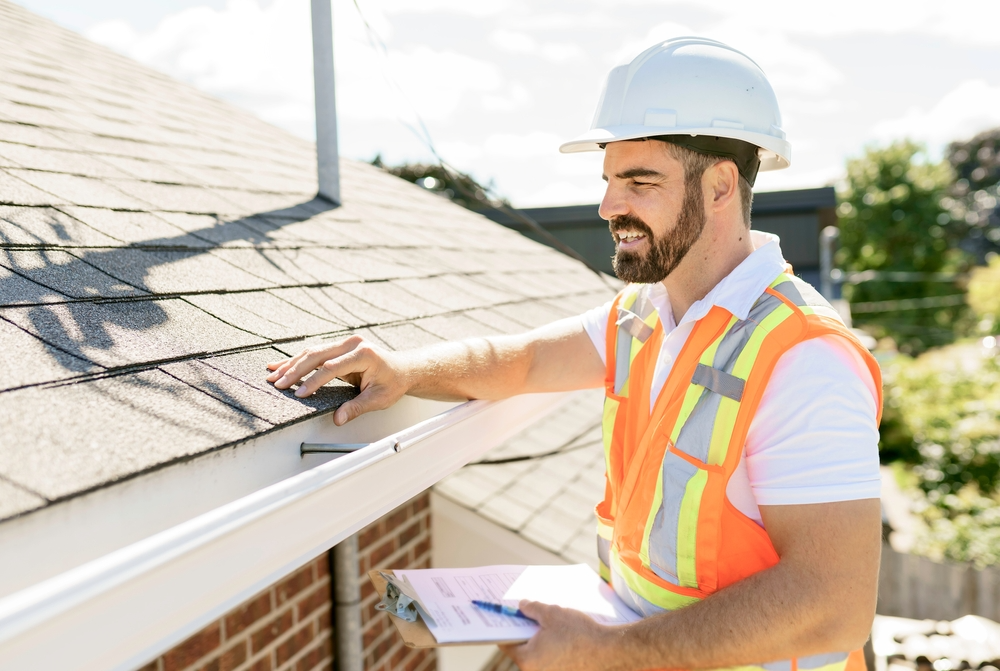
Once you’ve narrowed your options, contact the inspectors and ask for estimates. Make sure to get estimates from multiple companies to compare prices. When requesting an estimate, be sure to ask about the scope of the inspection and what will be included in the report.
4. Check Their Credentials
Before hiring a roof inspector, be sure to check their credentials. Most states require roof inspectors to be licensed and insured. You can get this information from the company’s website or by contacting your state’s licensing board.
5. Observe Their Work Ethic
When the roof inspector arrives to do the inspection, take a moment to observe their work ethic. Do they seem professional and courteous? Are they taking their time to do a thorough job? Do they seem knowledgeable about roofing? These are all good things to look for in a quality roof inspector.
Need Rood Restoration Services in Houston, TX? No Problem!
It’s always a good idea to have your roof inspected regularly, and if you’re in the Houston area, Priority Roofing is the company to call. We’ve been in business for over 15 years and are backed by reputable certifications, including GAF, NRCA, UASRC, & OSHA. We also offer a 20-year labor warranty and no leak guarantee on every job we perform.
So, what are you waiting for? Schedule a free inspection with us today!

Key Takeaways:
- A roof inspection is a thorough examination of the condition of a roof, typically conducted by a professional roofing contractor.
- The inspection includes an assessment of the entire roof and its components, including the flashings, structural support, drains, and gutters.
- Inspections are typically performed during a routine maintenance program or after a severe weather event.
- During an inspection, the contractor will look for signs of wear and tear damage from pests or weather and other potential problems.
When most people think about home inspections, the roof is one of the first things that comes to mind. After all, a roof keeps your home and family safe and dry. But what exactly goes into a roof inspection? Let’s take a closer look.
A good roof inspector will check many aspects of your roof, from the tiles or shingles to the flashings. They’ll look for any signs of damage or wear and tear and ensure that your roof is properly sealed and waterproofed. If you’re considering getting your roof inspected, hire a qualified professional who knows what they’re doing. Otherwise, you could end up with costly repairs down the road.
Related: Ultimate Guide to Inspecting Your Roofs!
What Is a Roof Inspection?
A roof inspection is a thorough examination of the condition of a roof, typically conducted by a professional roofing contractor. The review includes assessing the roof system and its components, including the flashings, structural support, drains, and gutters.
Inspections are typically performed during a routine maintenance program or after a severe weather event.
During an inspection, the contractor will look for signs of wear and tear damage from pests or weather and other potential problems. If any issues are found, the contractor will recommend repair or replacement.
A properly maintained roof is essential for protecting a home or building from the elements, so it is important to schedule regular inspections to ensure that your roof remains in good condition.
Why Is Inspection Necessary?
A roof is one of the essential parts of a house, and it is vital to keep it in good condition. A roof inspection can help to identify any potential problems so that you can fix them before they cause severe damage.
Inspections also help assess the roof’s overall condition and identify areas needing repair or replacement. In addition, regular inspections can help extend the roof’s life by catching problems early on. For all these reasons, scheduling an inspection at least once a year is important.
How Often Should A Roof Inspection Be Conducted?
Depending on the type of roof and the climate, an inspection should be conducted at least once a year. During an inspection, the roofing material should be checked for any signs of wear or damage. Any loose shingles or tiles should be repaired or replaced, and the gutters should be cleared of debris. In addition, the flashing around chimneys and skylights should be checked for any gaps or cracks.
By conducting a regular inspection, homeowners can ensure that their roofs will continue to protect their homes for years to come.
Related: Horrible Things to Expect After Inspecting Roofs
Roof Inspection Checklist
1. Check The Age of Your Roof
The average asphalt shingle roof will last 20-30 years, a metal roof can last 40-70 years, and a tile roof can last up to 100 years. If your roof is approaching the end of its lifespan, it may be time to start considering replacing it.
2. Look For Missing, Cracked, Or Curling Shingles
Missing cracked or curling shingles signifies that your roof requires repair. If you see any of these signs, it’s essential to have a professional inspect your roof as soon as possible.
3. Inspect Your Gutters And Downspouts
Your gutters and downspouts play an important role in protecting your roof from water damage. Make sure that they are free of debris and that they are draining correctly.
4. Look For Signs of Water Damage Inside Your Home
Water damage can be caused by various problems, including leaks in your roof. If you see any signs of water damage inside your home, it’s important to have a professional inspect your roof to determine the cause.
5. Check For Daylight Coming Through Your Roof
If you can see daylight coming through your roof, a hole or gap must be repaired. It’s important to have a professional inspect your roof as soon as possible to avoid further damage.
6. Check For Signs of Animal Activity On Your Roof
Animals can cause much damage to your roof. If you see signs of animal activity, such as nests or droppings, it’s important to have a professional inspect your roof to determine the extent of the damage.
7. Inspect Your Chimney
Your chimney is another area that needs to be inspected during an inspection. Make sure that there are no cracks or damage to the bricks or mortar. Also, check to see that the flashing is secure and that there are no gaps around the chimney.
8. Inspect Your Attic for Signs of Leaks or Water Damage
Suppose you see any signs of leaks or water damage in your attic. In that case, it’s important to have a professional inspect your roof as soon as possible to determine the cause and make repairs accordingly.
Who Can Perform a Roof Inspection?
A roof inspection can be performed by a professional roofing contractor, a home inspector, or even a qualified handyman. Suppose you’re uncomfortable getting up on your roof or don’t have the proper ladder to do so safely. In that case, it’s best to leave it to the professionals.
What Are Common Roof Problems That Are Discovered During an Inspection?
Some common roof problems discovered during an inspection include missing or damaged shingles, leaks, and clogged gutters. Inspections can also reveal potential problem areas, such as weak spots that could collapse.
So, are you worried about the condition of your roof? A comprehensive residential roof inspection from Priority Roofing can put your mind at ease.
We will come to your home and inspect every inch of your roof, looking for any damage in Austin. If we find any, we will provide you with a detailed report so you can make the best decision for your home.
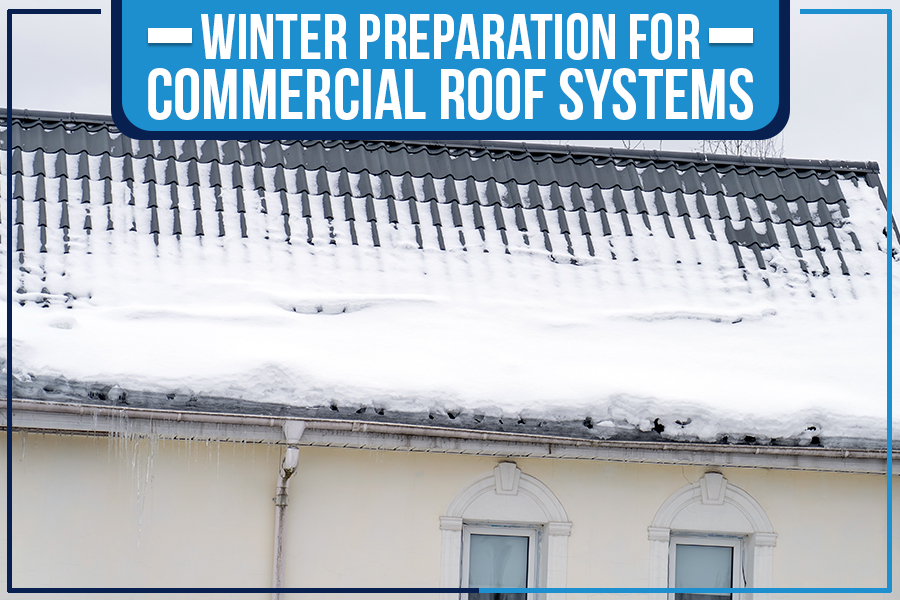
Winter Preparation For Commercial Roof Systems
Key Takeaways:
- Making sure your commercial roof is ready for winter starts with taking out your roof maintenance history and ensuring that you have been regularly maintaining and repairing it.
- You will want to inspect your roof for any damages that may have occurred over the past year and repair them before winter arrives.
- It’s also important to clean your roof regularly, as this will help extend its lifespan. This is especially true for commercial roofs, which are often exposed to more dirt and debris than residential roofs.
- One of the finest ways to prevent winter damage to your roof during winter is by installing a snow and ice melting system. These systems work by circulating warm water through pipes installed on your roof, preventing snow and ice from accumulating.
- Be sure to keep an eye on gutters as well; they protect your roof from damage during winter weather conditions like clogged leaves, snowfall, or ice formation.
The first act of Game of Thrones was titled “Winter Is Coming,” Much of the first season focused on preparing for a long cold winter. Well, winter actually IS coming. And now is the time to begin preparing your commercial roof for winter. Suppose you are a commercial property owner or facility manager. In that case, you understand how pivotal a well-functioning roof is to your building.
Seasonal roof damage can be expensive to repair, but by taking proactive measures during Falls, you can prevent many issues. Weather changes and temperature extremes strain your roof–the freeze/thaw cycles common in Denver Winters are particularly rough. The expansion and contraction from the cold and heat often turn small problems into large ones. Inspecting your roof annually and repairing any damages before winter arrives will save you money (plus headaches) down the road.
So, in this blog, experts from Priority Roofing will list some ways you can prepare your commercial roof system for winter. Stay tuned.
Making Sure Your Commercial Roof Is Ready for Winter!
So, there are many things and steps you can take to make sure your commercial roof is in good condition before winter arrives.
You can follow the below tips from our experts to get started:
1. Take Out Your Roof Maintenance History
The first step is to take out your roof maintenance history and ensure that you have regularly maintained and repaired it. If you have gaps in your history, now is the time to fill them. Routine maintenance will ensure your roof lasts longer and save you money on repairs down the road. Start by asking yourself the following questions:
- When was the last time I inspected my roof?
- When was the last time I cleaned my roof?
- When was the last time I repaired my roof?
2. Inspect Your Roof and Repair Any Damages
Next, you will want to inspect your roof for any damages that may have occurred over the past year. This can be anything from cracks and holes to missing shingles or tiles. It’s important to repair any damages before winter arrives, as they can quickly become larger problems when snow and ice enter the equation.
3. Clean Your Roof
It’s also important to clean your roof regularly, as this will help extend its lifespan. This is especially true for commercial roofs, as they are often exposed to more dirt and debris than residential roofs.
4. Install A Roof Snow and Ice Melting System
One of the finest ways to prevent damage to your roof during winter is to install a roof snow and ice melting system. These systems work by circulating warm water through pipes installed on your roof. This prevents snow and ice from accumulating on your roof, which can cause problems like leaks, cracks, and other damage.
5. Gutter Guard Checkup
Your roof gutters play an important role in shielding your roof from damage. During winter, they can become clogged with leaves, snow, and ice, preventing water from flowing properly and causing damage to your roof. Be sure to clean your gutters regularly during winter, and consider installing gutter guards to help prevent clogs.
6. Keep Ice Dams in Mind
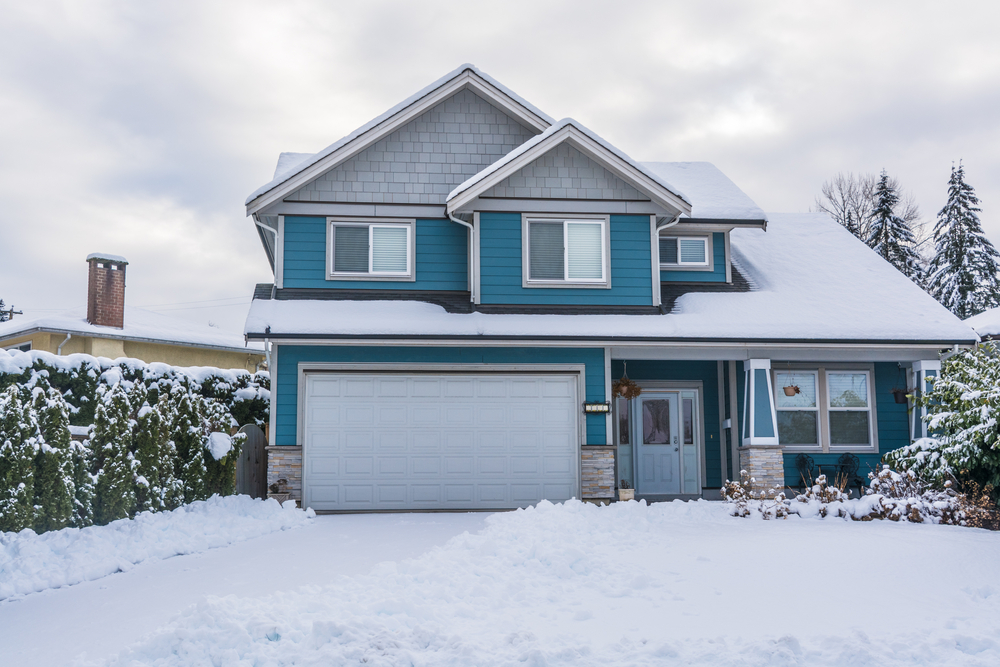
Ice dams can form when heat from your building melts the snow on your roof. The melted water then flows down to the colder edges of your roof, where it refreezes and forms an ice dam. Ice dams can cause serious damage to your roof, so it’s important to take steps to prevent them. You can insulate your attic, seal any air leaks, and ensure your gutters are clean and in good repair.
7. Inspect Your Roof Regularly
Be sure to inspect your roof regularly for any signs of damage. If you notice any problems, be sure to have them repaired as soon as possible to prevent further damage.
Related: How Poor Roof Installation Affects Your Commercial Building?
Roof Maintenance Is a Decision You Won’t Regret
Investing in roof maintenance is a decision you won’t regret. You can save time and money in the long run by taking steps to prevent problems. Inspect your roof regularly and make any repairs ASAP. You’ll be glad you did when your roof lasts for years.
DIY Roof Prep for Winter Is Not a Smart Move
When we talk about commercial roofing, we are usually referencing large roofs that cover commercial buildings. These roofs can be quite complex and are often best left to the professionals. This is especially true when preparing your roof for winter weather.
While you may be tempted to take on the task yourself or hire someone who is not a professional roofer, this is not a smart move. Commercial roofs are complex and require special knowledge and training to maintain them properly. If you don’t have the proper training, you could do more harm than good.
Hire A Professional Roofer to Winterize Your Commercial Roof
The best way to prepare your commercial roof for winter is to hire a professional roofing contractor. They will have the knowledge and experience to inspect your roof and make any necessary repairs properly. They will also be able to apply a weatherproofing treatment that will help protect your roof from the elements.
Book A Roofer in Dallas Whose Priorities Are Straight!
If you live in Dallas or the surrounding area, you need to book a roofer whose priorities are straight. That’s why you should call on the experts at Priority Roofing. We specialize in commercial roofing and have the experience and training to prepare your roof for winter. We will inspect your roof and make any necessary repairs. We will also apply a weatherproofing treatment that will help protect your roof from the elements.
Call us today or schedule a free consultation. We look forward to helping you keep your commercial roof in top condition all winter long!

Key Takeaways:
- Spray polyurethane foam (SPF) is a type of insulation sprayed onto surfaces in liquid form, where it expands and hardens.
- SPF provides excellent insulation properties, helping to keep homes and businesses at a stable temperature.
- In addition, SPF forms a tight seal that can help to prevent air and moisture leaks.
- SPF is also relatively easy to install, making it a popular choice for new construction projects and retrofitting existing buildings
Have you ever walked through a building and felt the sudden wave of cold air? This is likely due to poor insulation, which can cause your energy bill to skyrocket.
In this post, we’ll look at what SPF is and how it works, as well as some of the benefits of using it for roofing insulation. If you’re considering installing SPF insulation in your home or business, contact Priority Roofing – we would be happy to help!
What’s Spray Polyurethane Foam (SPF)?
Spray polyurethane foam (SPF) is a type of insulation sprayed onto surfaces in liquid form, where it expands and hardens. This spray foam insulation provides excellent insulation properties, helping to keep homes and businesses warm in the winter & cool in the summer.
In addition, SPF forms a tight seal that can help to prevent air and moisture leaks. This can be beneficial for energy efficiency and preventing mold and other moisture-related problems.
SPF is also relatively easy to install, making it a popular choice for new construction projects and retrofitting existing buildings.
Overall, this spray foam insulation provides an effective way to improve the energy efficiency of a home or business while also helping to protect against air and moisture leaks.
How Does Work?
When most people think of insulation, they picture pink fiberglass batts or silver foil-faced Radiant Barrier Sheathing. But another type of insulation is gaining popularity: spray polyurethane foam, or SPF.
SPF is unique among insulation materials in that it is sprayed onto surfaces, expanding to fill any cracks or crevices. The result is a seamless barrier that effectively prevents heat transfer. And because it can be applied directly to a wide variety of surfaces, SPF is an extremely versatile insulation material.
SPF consists of two main ingredients: a polyol resin and an isocyanate hardener. When these two liquids are mixed and applied, they react to form a rigid foam. The foam expands as it cures, filling in any cracks or voids in the surface. This expansion process is what makes SPF such an effective insulation material; by filling in all the gaps, SPF creates a continuous barrier that blocks heat transfer.
How To Apply Spray Polyurethane Foam on Your Roof?
When it comes to protecting your home from the elements, a good roof is essential. And one of the best ways to keep your roof in top condition is to apply SPF (spray foam insulation). This type of foam is specially formulated to resist moisture and provide a long-lasting barrier against leaks and deterioration. Here’s how to apply it:
- First, make sure that your roof is clean and dry. If there is any moss or debris on the surface, remove it before proceeding.
- Next, lay down a layer of tar paper or waterproofing material. This will help to protect your roof from moisture further.
- Once the tar paper is in place, you can apply the spray foam. Start at the bottom edge of the roof and work your way up, overlapping each section by about six inches. Use a utility knife & trim off any excess foam.
- Finally, take a few moments to inspect your work and ensure no gaps or missed spots.
- Once satisfied, sit back and enjoy the peace of mind of knowing your home is well-protected from the elements.
Related: Inspect Your Roof Like a Pro
How Can You Benefit from Using Spray Polyurethane Foam?
SPF can be used on interior and exterior surfaces and applied to flat and contoured surfaces. It’s commonly used on attic floors, walls, ceilings, and crawlspaces.
And because SPF creates such a tight seal, it’s also an effective air barrier material. This means that in addition to blocking heat transfer, SPF can help improve a home’s energy efficiency by preventing air leaks.
SPF can provide several benefits for homeowners and businesses.
- You can apply SPF to walls, ceilings, and floors, and it is often used in attics and crawlspaces.
- In addition, you can use SPF to seal around doors and windows, preventing air leaks.
- SPF can also help to reduce noise levels by absorbing sound waves. As a result, SPF is an effective insulation material used in various applications.
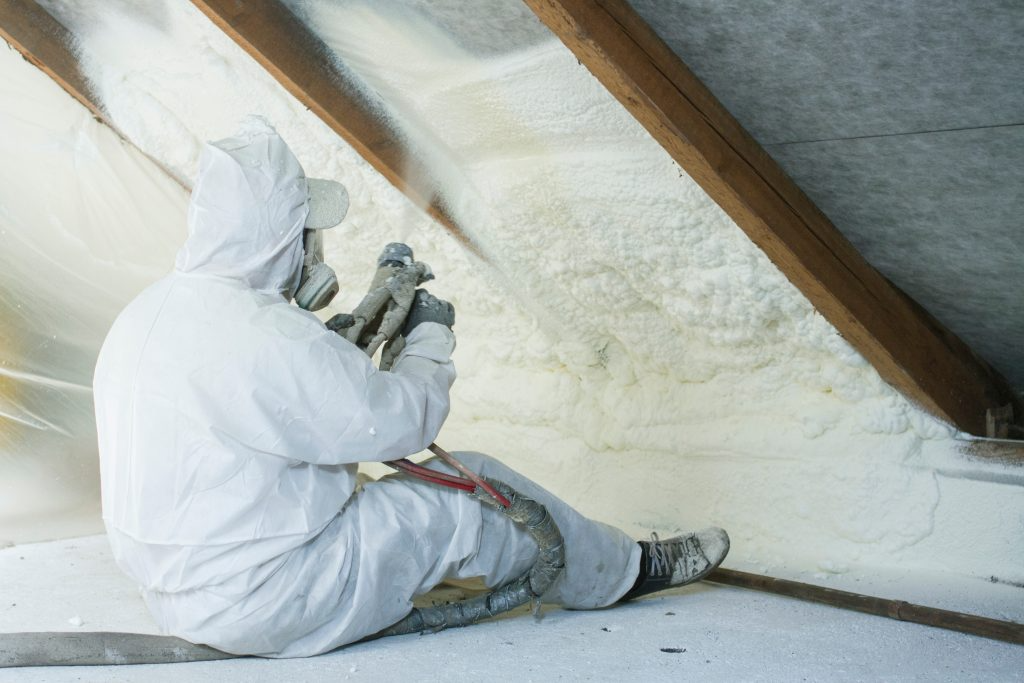
If you’re looking for an effective way to insulate your home, this spray foam insulation is worth considering. With its outstanding performance and versatile applications, SPF has quickly become one popular insulation materials on the market today.
The Cost of Using SPF
Applying spray polyurethane foam to your roof is not a cheap project. However, the long-term benefits of this type of insulation are usually worth the upfront costs. While the initial investment may be higher than other types of insulation, spray foam insulation can provide years of comfortable, energy-efficient living.
Conclusion
Insulation is an important part of keeping your home or office at a comfortable temperature all year round. Spray polyurethane foam (SPF) is one of the best types of spray insulation foam available. It is important to consider the cost of using SPF before you decide whether or not to use it in your home. However, the long-term benefits of this type of insulation are usually worth the upfront costs.
Priority Roofing Is Your Ultimate Solution for Insulated Roofs!
If you are looking for an energy-efficient roofing system, then SPF roofing is the right choice. SPF roofing is a great investment because it can help save you money on your monthly energy bill. In addition, it also provides seamless waterproof protection for your home.
Priority Roofing has a team of experts in Denver, and we’re here to help make the process easy for you.
Key Takeaways:
- Roof replacement is very expensive and often requires major construction work.
- Roof restoration is much less invasive and typically involves cleaning and repairing the existing roof.
- Restoring a roof can be much more cost-effective than replacing it.
- It can also increase the energy efficiency of your roof.
- It can extend the life of your roof by decades and help prevent future problems.
- Replacing your commercial roof is a very invasive process that can cause further damage to your building and disrupt your business operations.
- Restoring is a less disruptive process that you can complete quickly.
- A restoration will add a new layer of protection to your roof and seal any leaks or cracks that may be present.
- It can help keep pests out of your commercial space.
- It will withstand the elements better than an old or damaged one.
- Tearing off an old roof creates a significant amount of construction waste.
- Restoring a roof is more environmentally friendly than replacing it.
Aging commercial roofs can be a major issue for business owners. They often require expensive replacements and can lead to several other problems for your company. This post will discuss the benefits of restoring your aging commercial roof instead of replacing it. We will discuss cost savings, increased energy efficiency, and more. Explore why restoring your roof is the best option for your business!
Difference Between Roof Replacement and Roof Restoration
There is a big difference between roof replacement and roof restoration.
- Roof replacement is exactly what it sounds like – you are removing and replacing the old roof with a new one. This can be a very expensive process and often requires major construction work.
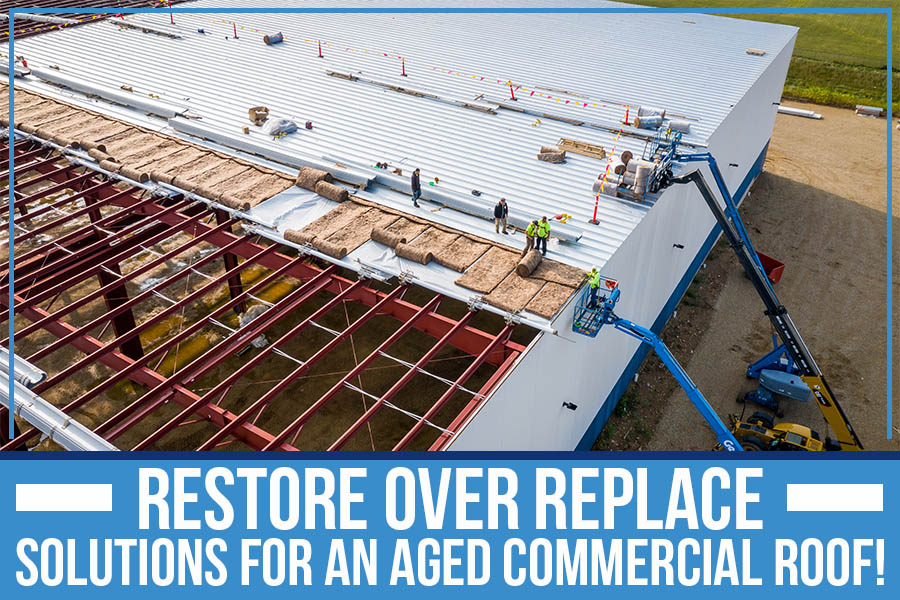
- Roof restoration, on the other hand, is much less invasive. Roof restoration typically involves cleaning and repairing the existing roof rather than replacing it entirely.
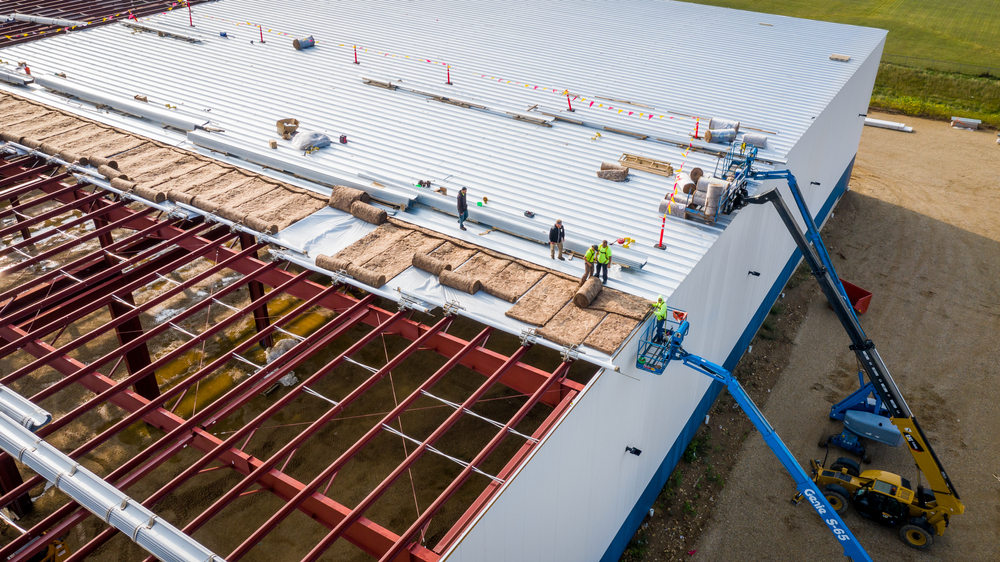
Restore Your Aging Commercial Roof instead of Replacing it – Here’s Why?
Save Money
The most obvious reason to restore your aging commercial roof instead of replacing it is that it will save you money. Restoration costs about half as much as a replacement, so it is a great option for businesses with a limited budget.
Another advantage of restoring a roof is that you can do it in phases. It means that if your budget doesn’t allow the entire project to be completed at once, you can still get started restoring your roof. This will help to improve its performance.
Less Disruptive
Disruptions to your business are costly and can often be avoided. Replacing your commercial roof is a major project that will take weeks, if not months, to complete. This can be detrimental to businesses that rely on foot traffic or need their building to be operational. On the other hand, restoring your aging commercial roof is a much less disruptive process that you can complete quickly.
In addition, replacing your commercial roof is a very invasive process. The entire roof will need to be torn off, so your business will be exposed to the elements during construction. This can cause further damage to your building and disrupt your business operations.
Restoring your aging commercial roof is a much less invasive process. The existing roof will be cleaned and repaired, and a new coating will be applied. This new coating will protect your roof from the elements and extend its lifespan.
The bottom line is that replacing your commercial roof is a major project that can cause significant disruption to your business. You can still extend its life by restoring it. This will save you money and keep your business operations running smoothly.
Extend Your Roof’s Life
Consider restoring your aging commercial roof instead of replacing it because you can extend its life by decades. A restoration will add a new layer of protection to your roof, preventing water and other elements from causing damage. In addition, a restoration will also seal any leaks or cracks that may be present in your roof. Sealing these leaks and cracks will prevent water from entering your building, leading to mold or other problems.
Restoration will also add insulation to your roof, which will help keep your building cooler in the summer and warmer in the winter. This can save you money on energy bills and make your building more comfortable for your employees or customers.
Protection Against Invasive Pests
One main reason to opt for roof restoration is its potential to protect your building against invasive pests. Birds, rodents, and other animals are always looking for a way into your commercial space, and an old or damaged roof provides them with the perfect opportunity. Restoring your roof can seal up any cracks or holes that these pests might use to get inside.
In addition, a restored roof will withstand the elements better than an old or damaged one. Heavy rains, high winds, and hail can all cause serious damage to your roof, and if it’s not in good condition, that damage can be extensive. A restored roof will withstand these conditions much better, meaning your building will be better protected in the long run.
Boost Your Property’s Curb Appeal
Commercial roof restoration is the way to give your property a facelift and increase its curb appeal. A new roof can be a significant investment, and it’s not always necessary. In many cases, your roof needs a good cleaning and minor repairs. This will make it look like new again and increase its lifespan.
A well-maintained roof will be one of the first things potential buyers or renters will notice. Restoring the roof should be at the top of your to-do list if you’re considering selling or leasing your commercial space.
Environmentally Friendly
Restoring a roof is much more environmentally friendly than replacing it. The process of tearing off an old roof and disposing of it in a landfill creates significant construction waste. The average commercial roof tear-off generates four to six pounds of waste for every square foot of roofing material removed. This waste takes up valuable space in landfills and releases harmful greenhouse gases into the atmosphere.
Restoring a roof uses far less energy and generates very little waste. Most of the materials used in roof restoration are recycled. This makes restoring a roof a much more sustainable option than replacing it. Restoring your aging commercial roof is a smart financial decision and a good way to reduce your environmental impact.
Conclusion
If you are facing a decision about whether to replace or restore your aging commercial roof, contact a qualified roofing contractor to discuss your specific situation and get professional advice. Roof restoration is a big investment, and it’s not a decision you should make lightly. With the help of a qualified roofing contractor, you can make the best decision.
Check out our blog post about roof inspections – horrible things you should expect.
If you seek roof repair or restoration services, look no further than Priority Roofing in Denver, CO. With over 15 years of experience, our team is an expert in all things roof-related. From shingle replacement to full roofing system installation, we’ll ensure your roof is in tip-top shape. Not to mention, we’re passionate about providing top-notch customer service – you can expect the best when you hire us as your preferred roofing contractor.
Schedule a free inspection Today!
Key Takeaways:
- The roof inspector is there to help you and will go over every inch of your roof.
- As a homeowner, you must understand common problems that may come up during the inspection.
- Cracked or rotted rafters are a common and potentially expensive – and the least desirable – problem.
- Ensure sound ventilation in your attic to contain damage to your roof.
- If you have water stains on your ceiling or walls, it is a sign that you have a roof leak.
- One common roof problem is missing, damaged, or loose shingles.
- Rusted, missing, or damaged flashing can allow water to enter your home and cause serious damage.
- If the decking is in poor condition, it can collapse and cause the shingles and other roofing materials to crash, damaging the home.
A roof inspection may seem like a back-breaking task but remember that the inspector is there to help you. They will check every inch of your roof for damage and potential problems. However, as a homeowner, you should know what to expect during a roof inspection. This post will discuss common – and dreaded – things homeowners sometimes encounter during a roof inspection.
Cracked or Rotted Rafters
One common and potentially expensive – and the least desirable – thing is cracked or rotted rafters. These are the wooden beams that support your roof. This is a serious problem because it can lead to your roof collapsing. Cracked rafters are usually caused by water damage, age, or even insects, so be sure to repair them immediately. Rotted rafters are usually caused by moisture, either from rain or snow, but they are much more serious. Rotted rafters can cause your roof to collapse, so it is essential to repair them promptly.
Improper Attic Ventilation
Your attic should be properly ventilated to protect your roof from damage. If not, it can cause your shingles to deteriorate and your roof to rot. The inspector will check to ensure that your attic has enough vents and that they are properly positioned. If you do not have enough vents, they will recommend that you add more.
Another thing the inspector will check for is proper insulation. If not properly insulated, it can cause heat to build up and damage your roof. The roof inspector will check the thickness of your insulation and ensure it is adequate. If it is not, they will recommend that you reinforce it.
Water Stains and Visible Roof Leaks
If the inspector finds any water stains, they will investigate the leak’s source. This usually involves climbing into your attic and looking for evidence of water damage. If they find a leak, they will recommend you have it repaired promptly.
Another thing the roof inspector will look for is visible roof leaks. These are usually easy to spot and can be repaired relatively easily. However, if left unrepaired, they can cause serious damage to your home.
Missing, Damaged, or Loose Shingles
Shingles are the thin, overlapping pieces of material that make up your roof and protect your home from the elements. One common problem that you can find in roof inspection is missing, damaged, or loose shingles. This leaves your home vulnerable to water damage and leaks. This is often caused by severe weather conditions, such as high winds or hail storms. If your home has suffered from any of these conditions, it’s necessary to have your roof inspected. You can replace missing shingles relatively easily, but if the damage is severe, you may need to hire roof restoration services.
Poor Shingle Installation
Poor shingle installation is one horrible thing you can expect during a roof inspection. Several factors can cause this issue, including improper nailing, incorrect overlap, or inadequate sealant. Poorly installed shingles are more likely to become loose in high winds or severe weather conditions. This can lead to leaks, drafts, and even structural damage to your home. Install shingles properly to protect your home from the elements. If you don’t, repairs could cost you thousands of dollars.
Check out our blog post about how poor roof installation affects your commercial building.
Rusted, Missing, and Damaged Flashing
One grueling problem that roof inspectors sometimes find is rusted, missing, or damaged flashing. Flashing refers to the metal strips that seal the gaps around vents, chimneys, and skylights. Over time, these metal strips can become corroded or damaged, allowing water to enter your home and cause serious damage. If your flashing is in bad shape, replace it to avoid costly repairs down the road.
Poor Condition of Your Decking
Your roofing system has two main parts: the shingles or other material you see from the ground, and the decking, which is the layer of wood beneath the shingles. The decking serves an important structural purpose and provides a base for your shingles. If your decking is in poor condition, it can cause several problems.
- One problem is that the decking can start to rot. This can happen if the decking is not properly sealed. If there are any gaps or cracks in the sealant, water can get in and start to break down the wood.
- Another problem caused by poor decking is that the shingles can become loose. This can happen if the nails used to attach the shingles to the decking are not long enough or are not driven in properly.
- Another serious problem if the decking is in poor condition is that the entire roof can collapse. This usually happens if the decking is made of rotted or decayed wood. When the decking collapses, it can cause the shingles and other roofing materials to come crashing down, which can seriously damage your home.
Blocked or Cracked Gutters
Your gutters protect your roof. They direct water away and keep it from pooling on your roof. If your gutters are blocked or cracked, they will not be able to do their job properly. This can lead to water damage to your roof and even cause leaks.
Signs of Mold and Moss
Mold and moss are two of the most common problems homeowners face when it comes to their roofs. Mold can cause serious health problems, while moss can damage your roof and make it more susceptible to leaks. If you see any mold or moss on your roof, it’s important to have it removed immediately.
One obvious sign of mold is black or green patches on your shingles. Mold can also cause your shingles to become brittle and break easily. If you see any of these signs, call a professional immediately.
Moss, on the other hand, is most commonly found in shady areas on your roof. Moss can hold moisture against your shingles, leading to rot and leaks. If you see moss, have it removed as soon as possible.
Conclusion
A roof inspection is an essential part of maintaining your home. A professional can catch problems early and help you avoid costly repairs. Watch out for these roof problems during your next roof inspection. With a little knowledge, you can keep your roof in top condition.
Priority Roofing’s roof inspectors are highly trained and experienced. They know how to spot potential problems and advise you on the best course of action. They’re also friendly and professional, so you can feel confident that your roof is in good hands. Plus, we offer free estimates in Tyler, so you have nothing to lose.
Take advantage of our commercial and residential roof inspections today!
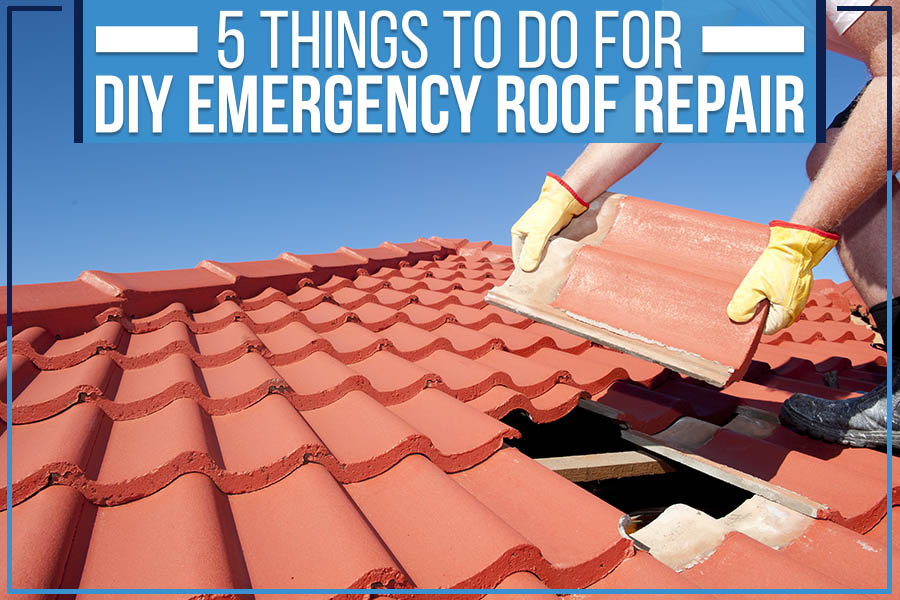
5 Things To Do For DIY Emergency Roof Repair
Key Takeaways
- Roof damage can take place due to various factors, including storms, falling trees, and debris.
- If the damage is extensive, it’s best to leave it to the professionals.
- If you’re considering DIY emergency roof repair, make sure you take the time to research the pros and cons before making a decision.
- And if you have any doubts, it’s always best to err on the side of caution and call a professional.
There’s nothing like a good roof repair to make you feel at home. It’s one of those minor improvements that give your place a sense of permanence and well-being, like installing curtains or getting a new toilet seat. Plus, it can be pretty fun doing it yourself – as long as you’re not dealing with something major.
So, if your beloved home is in need of emergency roof repairs, the following tips by Priority Roofing will help you DIY your way to a quick and successful repair. Just be triply sure to take care when working on high surfaces, and don’t take any risks that could result in further damage or injury. With some luck, you’ll have your home back to normal in no time!
What Qualifies as an Emergency Roof Repair?
So, the first question you might ask yourself is, “what exactly qualifies as an emergency roof repair?” Well, a few different scenarios could result in the need for an emergency roofing job. For example, suppose you experience a sudden and severe storm. In that case, it’s possible that your roof could sustain damage – especially if it wasn’t in the best condition to begin with. In this case, you’ll want to call a professional roofing contractor to come and assess the situation as soon as possible.
Another common scenario that might necessitate an emergency roof repair is if you suddenly notice water leaking into your home from the ceiling. This is usually a sign of a hole or cracks in your roof or that your home’s attic is no longer properly ventilated.
Here are a few common roofing emergencies that certainly require immediate attention:
- A leak that starts small but swiftly grows
- Pests – animals or insects
- Damage from a fire
- Fallen trees or wayward branches
- Harsh winds due to severe storms
- Lighting strikes
- Structural collapse
If you find your home’s roof in any of these situations, it’s important to take immediate action to stop further damage to your home.
Is a Leaking Roof an Emergency?
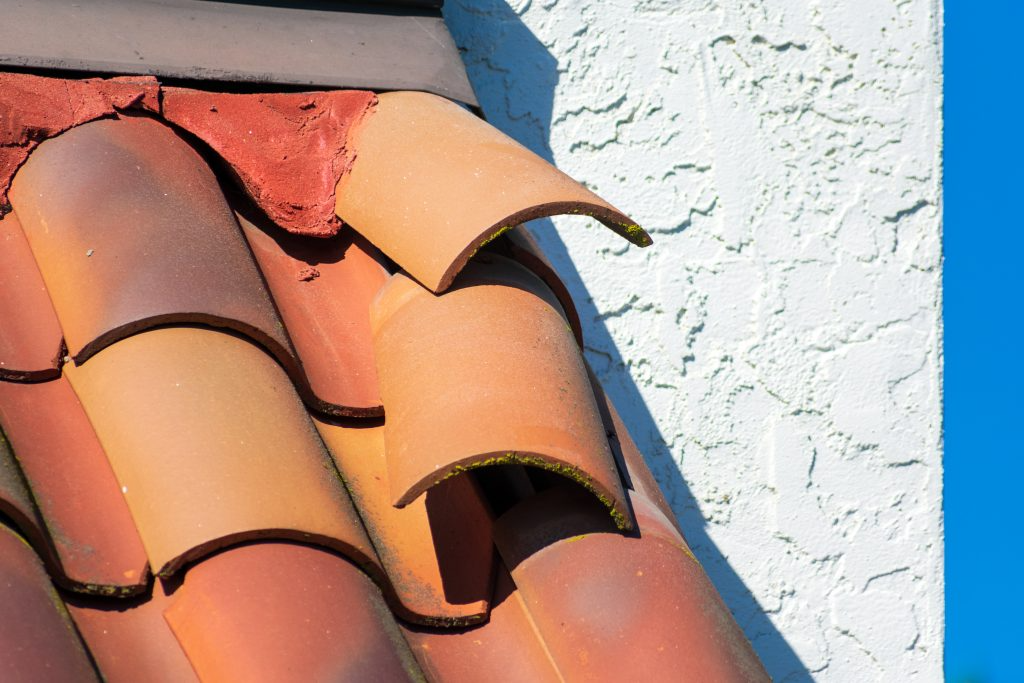
A roof leak might not seem like an emergency at first, but if left unaddressed, it can swiftly cause extensive damage to your home. Water from a leaking roof can seep into the insulation, damaging ceilings, walls, and floors. It can also end up leading to the growth of mold and mildew, which can present significant health risks for you as well as your family.
If you spot any signs of a leak, it’s important to take action immediately to prevent further damage.
How Should I Deal with a Leaky Roof?
Here’s what you can do:
1. Locate the Leak
If your roof is leaking, the first thing you must do is try to locate the source of the leak. Once you’ve found the source, put a bucket or other container under the drip to catch the water and prevent it from causing further damage.
2. Inspect the Leak
Once you’ve located the source of the leak and put a bucket in place to catch the dripping water, it’s time to take a closer look at the problem. If your home roof leak is due to a cracked or missing shingle, you may be able to repair it yourself.
3. Diy Roof Leak Repair
First, you’ll need to remove the damaged shingle. To do this, you’ll need to carefully climb onto your roof. Next, gently lift the shingle above the leak and pry it off. Once you’ve removed the damaged shingle, you can either replace it with a new one or patch the area with roofing cement.
4. Call a Professional
If you’re not comfortable repairing the leak yourself or if the damage is more extensive than you expected, it’s time to call a professional. A qualified roofer can quickly identify and repair the problem, preventing further damage to your home.
5. Inspect Your Roof Regularly
To prevent leaks and other damage, it’s important to inspect your roof regularly. Look for missing or damaged shingles and ensure that the flashing around your chimney and other openings is in good condition. If there are any confusions, don’t hesitate to call a professional for an inspection.
Want to learn more about common roofing problems? Here’s a blog post to help you out.
Risks & Limitations of DIY Storm Damage Roof Repair
While it might certainly be tempting to try to repair your roof yourself, there are some risks and limitations to consider:
1. Safety
Working on a roof can be dangerous. One wrong step and you could severely injure yourself. If you’re not experienced in roofing, it’s best to leave the repairs to a professional.
2. Cost
If you make a mistake when repairing your home’s roof, you could spend more money to fix the problem than if you had called a professional in the first place.
3. Warranty
You may void the warranty (if your roof is under warranty) by attempting to repair it yourself. Always check with the manufacturer or your contractor before making any repairs.
4. Time
Repairing a roof can be time-consuming, especially if you’re unfamiliar with the process. If you have other commitments, it may be better to hire a professional so that they can do the job quickly and efficiently.
So, there you all have it, four reasons why you shouldn’t attempt to repair your roof. Remember, roof repairs are not cheap, so it’s best to leave it to those who know what to do.
Can I Reduce the Expense of An Emergency Roof Repair?
Well, you can’t, but there are a few things you can do to reduce the financial impact.
1. Contact Your Insurance Company as Soon As Possible
If you have homeowners’ insurance, contact them immediately and tell them about the damage. They’ll assign you an adjuster to inspect the damage and determine if your policy covers it. If it does, they’ll give you a claim number that you can use when getting quotes from contractors.
2. Get Multiple Quotes
Get at least three quotes from different contractors before making a decision. Make sure to get everything in writing, including the estimated cost of the repairs, the timeline for the work to be completed, and any warranties or guarantees offered.
3. Consider Financing
If the damage to your roof is extensive and you can’t afford to pay for the repairs in cash, you may have to consider financing. A few different options are available, including home equity loans, personal loans, and credit cards.
The Bottom Line
While it’s possible to do some roof repairs yourself, it’s important to know your limitations. If the damage is extensive, it’s best to leave it to the professionals. Not only will they be able to fix the problem more effectively, but they will also be able to do so without endangering your safety.
If you’re considering DIY emergency roof repairs, make sure you take the time to research the pros and cons before making a decision. And if you have doubts, it’s always best to err on the side of caution and call a professional.
You Can Trust Priority Roofing!
Our name says it all. We are your trusted partner when it comes to your roofing needs in San Antonio – from maintenance and repairs to installations and replacements. No job is too huge or too small for Priority Roofing, and we always aim to provide the best possible service at the most competitive prices.
If you require emergency roof repairs, don’t hesitate to give us a call. We’ll be there ASAP to assess the damage and provide you with a free, no-obligation inspection.
Get in touch today to learn more!
Key Takeaways:
- Roof damage is not uncommon after severe weather.
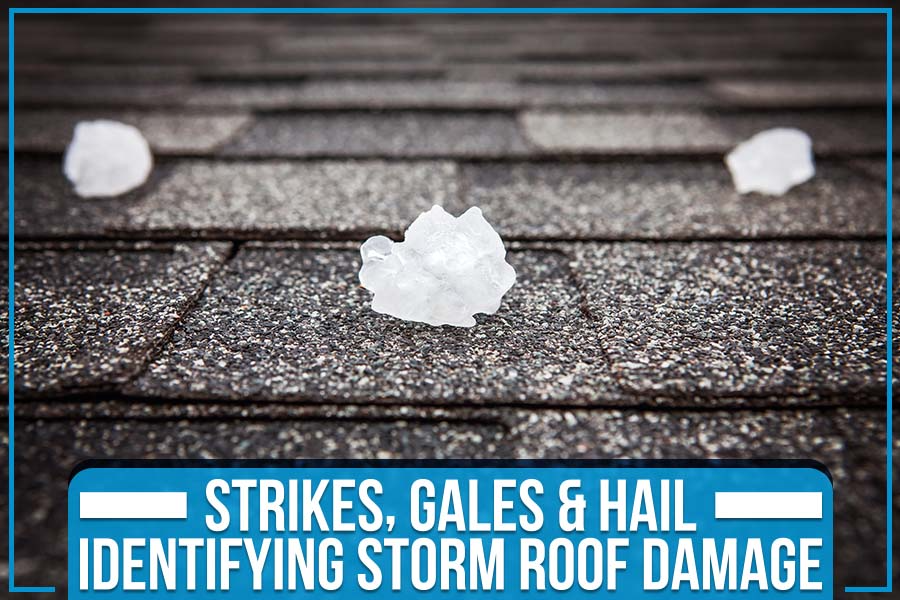
- Wind, lightning, and hail can damage your roof, each having a distinct set of signs to look for.
- A roof restoration can be more cost-effective than a complete replacement and have the same warranty.
- Keep inspecting your roof and focus on key damage indicators to know when to call a professional.
Natural calamities are wreaking havoc all over the country. From wildfires to hurricanes & floods, homeowners have a lot to worry about.
And while you may be well-prepared to deal with the aftermath of such disasters, your roof may not be as fortunate. So, it’s essential to identify damage to your roof caused by wind, lightning, and hail. Such worries become especially pressing if you reside in an area prone to extreme weather conditions.
If hiring a roofing company in Houston, TX, is something you’re considering. We want you to be wary of a few things. Here are three of the most common types of roof damage and the signs to look out for:
1. Wind Damage
Strong gusts of wind that blow debris against your roof or tree limbs fall cause wind damage. Where there are ways to make your roof wind resistant, the truth is that no roof is entirely safe from this damage. To spot such damage with certainty, your roofing company in Houston, TX, would have to conduct a detailed inspection.
– Cracked or missing tiles
Strong winds make your roof more susceptible to missing or cracked tiles. Winds move objects around, which can hit your roof, break a tile, and possibly cause leaks.
– Torn, curled, or missing shingles
Shingles are most susceptible to wind damage to your roof. When missing or torn, they can no longer protect your roof as intended and make it vulnerable to water damage.
– Damaged or loose gutters and downspouts
The constant rattling of gutters and downspouts in high winds can cause them to become loose or even fall off completely. This leaves your roof unprotected from other hazards and can also cause severe damage to your home’s foundation.
– Debris on your roof
Trees, branches, and other debris can become a common issue leading to further problems such as pest infestation and leaks.
– Damaged or missing vents
Vents on your roof help to circulate air and prevent the build-up of moisture, saving it from mold and mildew. If they are damaged or missing, this can lead to even more severe issues.
– Leaning chimney
For obvious reasons, we need our chimneys straightened up. If high winds have caused your chimney to lean, it could be in danger of eventually collapsing.
2. Lightning Damage
Lightning can be scary, and when it strikes your home, it could cause several problems, such as fires, electrical surges, and even gas leaks.
-Holes in the roof
Where you’ll likely find this kind of damage in metal roofs, it’s possible that any type of roof could have holes from a lightning strike. Look for burnt edges or any sign of melting. Roof restoration may be possible depending on the size and severity of the damage.
– Shingles split and cracks
When shingles are struck by lightning, they can often split or crack. This damage is usually cosmetic, but if left unaddressed, it could lead to more severe problems. If your shingles are cracked or split, you may want to consider roof restoration.
-Burned or missing shingles
Lightning may be to blame if there’s been a recent lightning storm in your area and you notice your shingles burned or missing while inspecting your roof. Damaged shingles will need to be replaced depending on the extent of the damage. You’ll need to call in a roofing company in Houston, TX.
-Dents in metal roofs
While looking for lightning damage signs, check for dents in your metal roof. You must avoid walking on a metal roof, as it could cause further damage or is more susceptible to collapsing. You can pull a DIY and repair them if there are only a few dents.
3. Hail Damage
Hail damage may be the easiest one to spot. There can be several signs of hail damage on your roof. Let’s look at a few.
– Shingles that are cracked, chipped, or missing
The telltale sign that your roof has been hit by hail is if you find cracked, chipped, or missing shingles. This damage exposes the underlying layers of your roof to the elements and can cause leaks.
– Gutters and downspouts that are dented or damaged
Not only can hail damage your roof, but it can also ruin your gutters and downspouts. If you notice any dents or imperfections, inspect them to see if they need to be repaired or replaced. Sometimes, the hail will loosen the gutters from your roof, which can cause even more damage.
– Vents that are damaged or missing
When hailstones hit your roof, they can easily damage or dislodge the vents. Because vents are important for keeping your attic cool, it’s essential to inspect them after a severe storm.
– Damaged or loosened roof sheathing
The sheathing is the wood layer attached to the roof trusses. Hail holds the capacity to damage this layer, which can cause the roof to become unstable.
Ending Note:
Damage from severe weather can be lethal on your roof, and it’s important to have a professional roofing company inspect your roof extensively. And now that you know all the warning signs to look for and how to distinguish between different types of damage, you will know exactly where to begin.
Roof Restoration in Houston, TX!
Opting for roofing restoration from Priority Roofing when dealing with wind, lightning, or hail damage may be the best option to keep your roof in top condition. Instead of a complete replacement and overhaul of your roof in Houston, TX, we offer roof restoration, which takes half the price of a roof replacement and provides you with a full tax deduction in one year.
And if this isn’t enough to convince you, consider this: roof restoration comes with the same warranty as a roof replacement would. You enjoy benefits such as in-house roofing services, energy efficiency, designer, and commercial roof leads when choosing us for your roofing needs.
We will inspect your roof and repair it for any damage. Schedule a roof inspection appointment today!

Anything that goes wrong with your roof impacts the value of your home. For this reason, it is imperative to remain proactive about roof repair and maintenance. This includes being able to identify common issues early on. This guide from Priority Roofing will cover the most common roofing problems homeowners face.
1. Leaks And Water Damage
Water is life but can be the kiss of death for your roof. Anytime there is standing water or leaks, you are opening the door for rot, mold, and mildew about to take over. Call a reputable roofing company in Austin immediately if you notice any leaks.
2. Wearing Off Shingles
An old, obsolete roof is more susceptible to storms and heavy winds. Shingles can also become brittle and crack from the sun’s UV rays. Seeing shingles in your gutters or on the ground is a tell-tale sign that a new roof or a restoration project needs to be in order.
3. Poor Attic Ventilation
Attics are often the most neglected yet indispensable part of your roofing system. If there is insufficient airflow, the temperature in your attic will be higher than it should be. Such a lack of ventilation will make your shingles curl and shorten their lifespan. As a result, you have roof damage and an increase in your energy bills.
4. Clogged Gutters
Gutter damage can be spotted easily. Look for leaks, stains, and rust. Clogged gutters can make your home seem to cry for help. When water overflows, it will damage your fascia and soffits. A physical inspection should suffice, but you can also use a hose to test the system.
5. Failing Flashing
You will recognize flashing by those pieces of metal placed around your roof’s vulnerable spots, such as the chimney, skylights, and vents. The purpose of flashing is to stop water from seeping into your home. You will see rust, leaks, and holes if it’s not doing its job.
6. Rotting Wood
Rot can be hard to spot, but you will know it’s there when your shingles start to fall off or when leaks appear. A wooden roof is particularly susceptible to rot. If you notice sagging wood or black streaks, the damage has occurred and what you need next is professional help.
These signs are a loud cry for help from your roof. Don’t ignore them in hopes they will disappear because they never do. It only takes one massive storm to cause intense and costly damage.
Roof Restoration Services In Austin, TX!
Facing such roof problems, if your repair consultant has suggested a complete overhaul, chances are that you’re about to get ripped off. A roof restoration project will save you a lot of money and time.
The process runs half the cost of a roof replacement and you can get it written off in just one year as a tax deduction. Moreover, our restoration project at Priority Roofing comes with the same warranty as a full roof replacement. We serve Austin, TX, and surrounding areas, and our team of expert roofers has over 15 years of experience in the industry.
So, what are you waiting for? Schedule your free inspection today.
