Is there really such a big difference between roofing tiles and roofing shingles? Most people trying to answer this question might get tied up in semantics or confuse the idea of material type with the design of the roofing elements. The truth, however, is that the main difference is actually in the design and not necessarily in the material.
While roofing shingles are typically asphalt or ceramic elements that overlap each other and are set in rows to form a complete structure protecting your roof’s interior underlayment and decking, tiles have a distinct geometric pattern, being set up like bricks, where each tile supports the upper two from below.
In sloped roofing, tiles are clearly superior because of their construction. They support each other with the help of gravity, as it pushes down on the lower tiles and keeps the structure intact more efficiently than in the case of basic shingles. Also, it helps that most tile roofs are made from concrete and natural slate, which are considered to be two of the most durable and resilient types of roofing you can buy.

Deciding on whether you should get a shingle or tile roof is usually a matter of aesthetic preferences, money, durability and the need to avoid doing too much maintenance all the time. Tile roofing typically wins hands down, unless you want your roof to have the specific appearance of a shingle roof, or if you can only afford a cheap but less durable roofing system, such as an asphalt shingle roof. To decide what roofing system will work best with your home and budget, talk to Priority Roofs of Denver to see what their trusted experts advise.

When it comes to pitting commercial and residential systems against each other, most Houston roofing professionals will point to the cost as one of the big differences between the two. In addition, most preferred roofing companies in Houston TX will say that the whole construction style, layout and design is different, and that both types have their own unique advantages and drawbacks.
All this is true, however, if you want to see more of a close-up of their differences, consider the following as well:
- Commercial roofs are typically flat and built using less materials, while residential roofs are commonly sloped in design and featuring traditional and aesthetically pleasing materials such as slate roof tiles, asphalt shingles or certain types of metal.
- Durability is a key difference. EPDM, the most durable flat roof, will only last for about 35 years. A sloped residential roof made from high quality natural slate on the other hand might even have a warranty of 120 years.
- Despite being much cheaper, the repair costs for flat commercial roofs are typically higher than those of a residential roof.
- Finally, maintenance tasks may also differ, and great care has to be taken with flat roofing structures, since the slope isn’t there to aid the roof to rid itself of excess water, pests or debris.
Having a small business doesn’t mean you always have to sacrifice quality because your bank account can’t handle it. In the case of roofing, it is actually essential to invest a little more in a good roof, if you don’t want your building to be in danger of being affected by water damage or an overuse of the HVAC system.
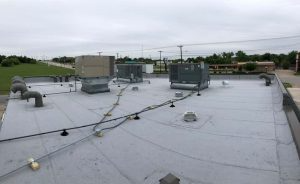
When considering roofing options for your business, your best choice is to go for a flat roof. Flat roofing systems are extremely affordable, easy to install and resilient, and some are also cheaper than the best ones, but not much less durable.
With about $5 to $10 per square foot, the average flat roof is a lot cheaper than a sloped roof. With that money, you can get an average sized flat roof for your business with under $10k, which is quite impressive when considering that the best sloped roofing systems are closer to three times that amount.
Accomplished Dallas commercial roofing contractors substantiate that while modified bitumen, TPO and PVC roofing can be somewhat more expensive, you can find cheaper alternatives such as EPDM (which also happens to be one of the most durable), built-up roofs, as well as certain types of metal roofing products which are very easy to install.
When you own a residential metal roof you might literally feel like your home is akin an indestructible armored vehicle. If the roof was properly installed, it can take just about any kind of abuse without complaining, and you don’t even have to worry about common issues such as hail storms, thunderstorms or fires.
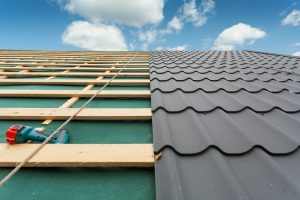
Unfortunately, an outstanding metal roofing Austin repair expert affirms that even the best metal roofing systems reach the end of their projected lifespan at some point, and then nothing can be done but to have them replaced. Failing to do so might lead you to have to pay thousands of dollars on repairs that won’t even get you anywhere.
If your roof is around 50-75 years old then it might not have long until the end of its life. At this time, it’s usually best to have it replaced, especially if it hasn’t been maintained properly throughout the years. Poor maintenance can still diminish a roof’s projected life span, even in the case of low maintenance metal roofing.
Metal roofing systems can also be affected prematurely by rust, severe fires and a faulty restoration or installation job. If any of these have led to damage, and if your roof simply can’t recover despite the efforts of a professional roofer trying to fix it, then you definitely need to think about having it replaced.
Flat roofing systems are typically great for commercial roofing purposes. They are cheap, easy to install, lightweight and still quite durable when compared to residential roofing materials such as asphalt, wood and even some types of metal. However, even the sturdiest flat roof will reach the end of its estimated life span someday, and at that point you’ll have to make the call as to whether or not to replace it.
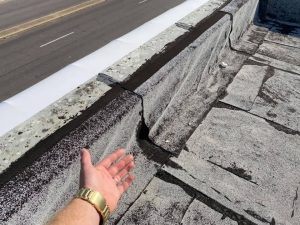
The surest way to know if your roof needs replacing is if a contractor tells you. You can count on trusted flat roof repair Denver experts to inspect your roof thoroughly, and provide you with recommended repairs. Second opinions are always encouraged in any industry.
Generally speaking, you have to look at how old the roof is and how extensive the damage is. If your roof is entirely too old, then chances are that subsequent repairs will no longer be able to fix the problem without it returning after a few weeks or months. If that happens, you’ll know beyond the shadow of a doubt that you need to get your roof replaced.
Poor maintenance, a bad installation job or just plain bad luck as an uncommonly powerful storm damages your roof directly or blows the branch of a tall tree onto it can also be viable causes for a level of damage that can only be fixed through a complete roof repair Denver restoration service.
Roof damage can’t usually be viewed directly unless you physically climb to the top of your building and inspect it for yourself. However, even that action might end up not revealing much, as leaks and other damages are difficult to spot without a trained eye of roof repair Austin TX professionals.
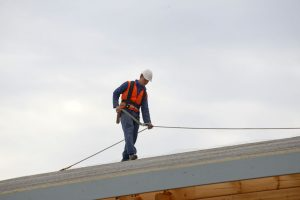
If you want to find out if your hotel roof has been recently damaged in a storm and impaired, it’s important to first know that there are a number of signs potentially pointing to roof damage:
- Leaks might be observed on the top floor. If you see the ceilings and walls on some of your top floor rooms and suites being severely affected by water damage right after a storm, then you’ll know that there might be a roofing issue, avoid saving those rooms for visitors, and call your local roofer immediately.
- Another thing that might happen is that the roof could turn your top floors into a real sauna. This usually happens when the temperature is too high and the roof doesn’t have proper ventilation as a result of damage or wear and tear.
- Finally, you could witness pieces of the roof or drainage system physically detaching from the top of the building and even falling onto the ground below when blown away by wind – a somewhat common occurrence with lightweight metal panels. At that point, you’ll know that you can’t put up calling your roofer to examine the damage.

If you just bought a new building, making sure the roof is in good order should be your first action in determining to see whether your roof will be up to the task of protecting your business from storms. Although you can simply replace your roof, that prospect can be a costly one, and in most cases, you will want to avoid spending too much, if at all possible:
- Start by calling a professional Dallas roofer to inspect your building and determine whether your roof needs any fortifications, upgrades or fixes that could enhance its weatherproof qualities – such as repairing damages that may lead to leaks, fixing pooling issues or installing new coating onto the top layer.
- Even the most resilient flat membrane roofs need proper maintenance. Consider talking to a reputable flat roofing Dallas contractor about visiting your property twice a year for scheduled roof maintenance, and make sure you have them arrive before and after winter to prevent weather changes and heightened precipitations from making matters worse if your roof really is damaged.
- Have your old roof replaced with a more durable and resilient one. If your old roof is too old, or if it’s made from a material that isn’t rated to last for more than 5-10 years, then you might be better off investing in a more durable material, like EPDM, bitumen or metal, which, with proper maintenance, will be able to protect your business from Texas storms for up to 2-4 decades.

If you want to protect your roof from a hurricane, you have a few great options to go on. The strange thing about them is that they don’t include some types of roofing which, while considered very durable and resilient in most cases, are unable to cope with the strong winds and destructive precipitation of such a powerful storm.
Metal roofing Houston authorities confirm that one of the best types of roofing materials to consider if you want to protect your home from a hurricane is steel. Metal roofing in general has all the right advantages, having a high tensile strength and being quite flexible as well. This means metal roofs – and steel roofs in particular, due to their greater weight – can be considered as effective not only against the strong winds of the hurricane but also against periods when forces change direction suddenly or temperatures drop quickly at a moment’s notice.
If you’re looking for a durable roofing material that is also somewhat more affordable, consider the benefits of using fiberglass-enhanced asphalt shingles. Shingle roofs already have a good reputation when dealing with stronger winds, and the added advantage of fiberglass reinforcement makes affordable asphalt shingles much more resilient and possibly even capable of resisting the damage of a powerful hurricane until it passes.
Did you know that roofing can be used to diminish the heat from your home during those scorching days of summer? In most cases, of course, you will need to replace your roof entirely to get the right effect, as an older roof that might also have structural issues and a less hi-tech construction might not be able to receive the right upgrades and fixes to do what you want it to do.
Fortunately, according to energy efficient Austin roofing pros, there are ways to get things done just right, if the existing roof isn’t too old:
- You can have a roofer examine your roof and suggest structural changes and a complete restoration project that won’t cost as much as a roof replacement, but can still be expensive.
- Coating is also a great solution. Consider using silicone coating along with a coat of light colored paint to improve your roof’s ability to filter harmful UV rays and/or reflect them away from your home. As an added bonus, silicone coating is also a great weatherproofing improvement.
- Finally, some roofing systems can also allow the installation of solar panels on top. Aside from adding a new layer of elements that can stand between your home and the scorching sun, a solar array will also produce vital electricity that you can use to power your home.
If you so much as looked up roofing on the internet, you’ve probably realized already that not all roofing manufacturers and contractors are the same. In fact, there are cases when accomplished roofers working for large companies move to another roofing service, and the old company they worked for ends up collapsing from the inside out.
There are many potential problems that can lead to the downfall of any roofing company, no matter how large or successful it might be at a certain time. These may include:
- Overconfident investing;
- Poor marketing strategies;
- Botched projects;
- Insurance related scandals and problems;
- Succumbing to the competition in their local area.
Of course, there are many others as well, but these are some of the top reasons why roofers might fail. As they do, new companies can take their place or even older roofers might bounce back providing new and improved products and services that locals adore.

The best Denver roofing contractors are those that have established themselves as experts in all areas of roofing services. They should be able to prove this with positive reviews, a stable work force, and repeat business. They should operate their business with integrity, honesty, and provide open communication regarding the quality of products and services, with sound warranties.
