There are many different types of flat roofing systems that you can consider investing in. As a business owner, you will want to make sure your building is properly protected from the elements, so it’s important to talk to exemplary Dallas commercial roofing company professionals to figure out which type to choose. However, regardless of the roofing system you choose, the basic elements of a flat roof remain roughly the same.
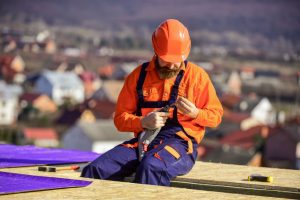
As in the case of sloped roofing, a flat roof has components such as flashing, insulation and a supportive structure on top of which the main roofing material is added. That is called the structural deck, and unlike in the case of most sloped roofing systems, it is designed, together with the load bearing supportive structure, to distribute the weight of the roof towards the walls.
The flashing is only focused on the edge and corners of the roof as well. As in the case of sloped roofs, it has the task of preventing water from leaking between the wall and the roof.
The thermal insulation layer also goes together in most roofing systems with a thin vapor control layer, which helps reduce the onset of condensation. Since flat roofs are usually too simple in their construction to feature complex venting, this layer is designed to especially work to prevent condensation from becoming a problem.
When considering flat roofing for your building, you have a few great options to choose from. The following are considered to be some of the best solutions that flat roofing Dallas experts would recommend to keep your roof as resilient and low-maintenance as possible:
- BUR (built-up roofing) is among the top most popular roofing materials used for commercial buildings. A traditional type of roofing that has been around for more than 100 years, built-up roofing features alternating layers of bitumen and reinforcing fabric to create a highly resilient roof.
- Modified bitumen is one of the most practical and affordable choices when it comes to flat commercial roofing. Closely related to BUR designs, modified bitumen is made up of layers of asphalt and various types of coating, and it’s considered to be very efficient against weather and temperature changes, as well as against harmful UV radiation.
- EPDM is also among the most well-designed and practical roofing materials, as it is low-cost, highly durable as well as fireproof. The fact that EPDM is a type of rubber makes it excellent for weatherproofing as well, and it’s also one of the top most resilient types of flat roofing, being able to last for up to 20 years without a problem.
It’s a good idea to hire a professional Denver commercial roofer when you’re trying to have a new roof installed. However, it’s even better to know how to choose the right roof for your building. The following are just some of the reasons why you might want to consider EPDM roofing as your top choice:
- EPDM is one of the more affordable roofing systems you can invest in, and when it comes to the quality/price ratio, most roofers and experts will definitely recommend it.
- It’s also highly resilient when compared to most types of flat membrane roofing. Long-lasting and fire resistant, you can expect your EPDM roof to last for up to 20 years or more, especially since the material resists damage from hail, wind and UV radiation very well.
- It’s eco-friendly. In today’s business world, it’s very important to follow a sustainable practice in every area, not only to save money and protect the environment, but also to gain an upper hand over your competitors.
Without a doubt, EPDM is one of the most practical Denver roofing materials you can consider for your new commercial roof. If you want to find out more about it and about the actual practice and cost of having it installed on your building, consider contacting your local Denver roofers for a quote.
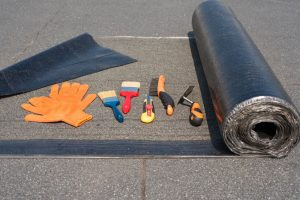
Commercial Austin roofing companies can be found just about everywhere, but it makes a huge difference to find a company that can support you with your specific roofing project. As the owner of a commercial building, you probably already know a lot about roofers and how no two roofing contractors are alike. However, it can be much more difficult to find the right roofer than to just talk to a generally knowledgeable contractor who might be able to handle your project but doesn’t necessarily specialize in that area.
How to Choose the Best Commercial Roofer in Austin, TX
When it comes to your commercial property, the roof is a vital component that requires professional attention. Finding the right commercial roofing contractor in Austin, TX, can be a daunting task, given the numerous options available. However, by focusing on key actions and considerations, you can ensure that your commercial roofing projects are handled by the best in the business.
1. Research Local Commercial Roofing Companies:
Start your search by exploring local roofing companies in Austin. Look for established commercial roofing contractors with a proven track record in the area. Local companies are often more familiar with the unique challenges posed by the Texas climate and are well-versed in local building codes.
2. Check for Commercial Roofing Expertise:
Not all roofing companies specialize in commercial projects. Ensure that the company you choose has a dedicated focus on commercial roofs. Experience in commercial roofing repairs and installations is crucial for ensuring the longevity and durability of your commercial property’s roof.
3. Verify Licensing and Insurance:
Before finalizing your decision, make sure the commercial roofing contractor is licensed and insured. This not only demonstrates their professionalism but also provides you with the assurance that you are working with a legitimate and responsible company.
4. Assess Previous Commercial Roofing Projects:
A reputable commercial local roofing company will have a portfolio showcasing its past projects. Review these case studies to gauge the quality of their workmanship. Look for projects similar to your own, and if possible, visit those sites to assess the longevity and effectiveness of their roofing solutions.
5. Assess Previous Commercial Roofing Projects:
Word of mouth is a powerful tool. Reach out to local businesses and property owners who have recently undergone commercial roofing projects. Their experiences and recommendations can provide valuable insights into the reliability and competence of different roofing contractors.
6. Evaluate Compliance with Local Building Codes:
Commercial roofing projects must comply with local building codes and regulations. A knowledgeable commercial roofing contractor will be well-versed in these codes and ensure that all work is done by the law. Confirm that the company understands and adheres to Austin’s specific building codes.
7. Request Detailed Estimates:
Once you’ve narrowed down your options, request detailed estimates from the shortlisted local commercial roofing contractors. A comprehensive estimate should outline the scope of work, materials to be used, project timeline, and associated costs. This will help you make an informed decision based on both quality and affordability.
Choosing the right commercial roofing company in Austin, TX, involves careful consideration and research. By focusing on local expertise, previous projects, licensing, recommendations, and adherence to local building codes, you can ensure that your commercial property is in the capable hands of a reliable and skilled commercial roofer. Don’t compromise on the integrity of your commercial roof – take the necessary steps to secure the best roofing solution for your valuable asset.
Exploring and gathering information may be a bit tedious, but it’s a necessary step to ensure you choose the most suitable roofer for your needs. Online research proves to be highly effective, as many companies actively showcase themselves on the internet – whether through dedicated Austin roofing websites or social media platforms like Facebook and Twitter. These platforms provide valuable insights from previous clients, offering feedback that can aid in your decision-making process.
Additionally, it’s crucial to examine the Better Business Bureau (BBB) website for any complaints and pertinent details related to the company under consideration. This resource can provide valuable information about their integrity, attention to detail, and expertise in specific areas of roofing practice.

Can a Slate Roof Be Installed on Any Type of Home?
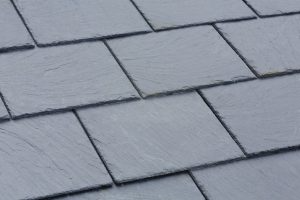
Installing a slate roof can seem like a great idea at first. As one of the oldest and most durable roofing material that any roofer can use, natural slate is rated to last more than 100 years, and if installed properly, it won’t require too many repairs during that time.
But can slate be installed on any home, or is it specifically designed only for certain houses? The answer to this question can be a little more complicated depending on the modifications you are willing to make to your home in order to facilitate the installation process. While a basic asphalt shingle roof, for example, doesn’t have too many special requirements, the issue of having the right decking and underlayment to house your slate roof can be one that even the best roofers argue over.
The great thing about slate is that it doesn’t really require a functional underlayment. According to experienced Priority Roofing contractors, the underlayment is basically just roofing felt that is set in place to protect your home temporarily in case a storm comes before the installation is complete.
What’s more important is the decking, which should be structurally sound so it can support your slate roof for 100 years or so. The right sheathing choice for slate is the use of individual wooden planks anpit 1 to 1 ½ inches thick. Also, if you want the most durable roof, you’ll want to have your plywood or laminated wood decking replaced with a more resilient one, so you can ensure that your roof will withstand the test of time.
Metal roofing might be considered a good idea when setting up a residential roof, however, most commercial building owners will usually think of products like TPO and EPDM when considering a new roof. Nevertheless, metal has a lot going for it, regardless of where you install it and whether it’s installed on a small or a larger building.
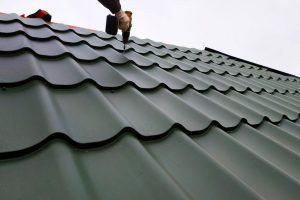
Metal roofing Denver skilled contractors substantiate that a metal roof offers advantages such as energy efficiency and fireproof resilience. When there’s a fire, your metal roofing materials will not melt, burn or break as easily as other materials, and they will protect your home better. Also, metal has excellent reflective capabilities, so you can effectively use it for a cool roof in areas where the sunlight is very strong and temperatures are high all year round.
Metal roofs can also protect your building very effectively against precipitation and hail. A metal panel roof coated with the right UV-resistant and waterproof coating will help fend off the elements more efficiently than many different types of membrane roofing, making metal panel roofing a better choice overall.
Also, it’s worth mentioning that metal roofs are cheaper, more durable and virtually maintenance-free. As a result, you’ll need fewer repairs, and with just a little maintenance work once or twice per year, your roof won’t have to be replaced for the next 35-40 years or so.
Designed primarily for low slope and flat roofing applications, modified bitumen is an asphalt-based roofing material that has gained quite a bit of traction in recent years. Its practical qualities are the main reason why it has become as popular as it is today, and ever since it appeared in Europe in the 1960s, experts have been affirming that it’s one of the best commercial flat roofing products out there.
Modified bitumen is designed to withstand harsh weather conditions, and even if it’s exposed to multiple environmental stressors at the same time, its various layers act to protect your building efficiently without caving in to any harmful elements.

Skilled modified bitumen roof Dallas contractors explain that this type of roof is formed from a total of five different layers that together form a nearly impregnable system. The insulation provides thermal resistance, while the modified base sheets and modified bitumen membranes, which are often reinforced with fiberglass, are set in place as the main layers of the roof. A waterproof adhesive formula is added on top along with a UV-resistant surface coating that protects your roof from harmful radiation.
This modern roofing system is surprisingly resilient and dependable, featuring ideal weatherproof qualities and a uniquely impressive high tensile strength that makes it remarkably impact-resistant.
What Are the Most Important Qualities of TPO Roofing in Protecting Your Commercial Roof?
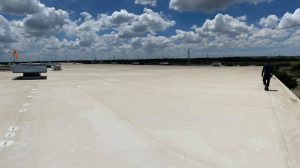
Aside from bitumen and EPDM, TPO roofing is probably the most popular type of flat roofing used in commercial applications. There’s a good reason for that, because as TPO roofing Dallas distributors confirm, TPO definitely has some of the best qualities of any type of roof you can consider:
- An energy efficient single ply membrane, TPO (short for thermoplastic olefin) is known to compete very closely with EPDM and bitumen in this regard, but without the added costs that make these roofing materials less accessible.
- TPO fits a huge number of different types of buildings and styles, being used quite heavily in both commercial and residential roofing for that purpose. Although there aren’t too many color and styling options, you can still enjoy white, cool roofing systems made with TPO technology that will help you save a lot of energy in warmer climates.
- Unlike other thermoplastic membranes, TPO is highly resilient, and can resist strong impacts during hail storms without being damaged. Reinforced TPO membranes can also manage the extreme thermal expansion and contraction of buildings that are set in areas with wide temperature changes.
- TPO is also quite easy to install, especially compared to heavier materials. Its lightweight and straightforward methods of installation make it a less challenging roofing material if you don’t have enough money to pay for expensive labor costs and hire the most experienced and costly roofers.
How Long Does a New Commercial Roof Last in Dallas?
When it comes to residential roofing, you might have heard stories that there are metal roofs lasting more than 70-80 years and natural slate roofs that have been around since the start of the industrial revolution. While some of these stories might be true, the life expectancy for most commercial roofing systems might be very different.
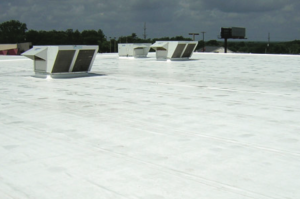
Knowledgeable Dallas commercial roofing contractors will tell you that there are many factors contributing to why commercial roofs last somewhat less than most sloped residential roofing systems. Their construction is one of them, as the flat surface is more prone to being impacted harder by hail and precipitation, leading to punctures, leaks and pooling issues that can greatly diminish the roof’s expected lifespan.
Most commercial roofing systems are rated to last about 20 years on average, although some might last longer. PVC, TPO and EPDM roofing all last about 20 to 35 years, with EPDM being considered as one of the more resilient and durable of the three. More durable is metal, which can last for up to 45 years. Surprisingly, good quality asphalt roofs, which are still some of the less durable roofing systems in the residential roofing sector, are able to last more than either EPDM or TPO, with a projected lifespan of 20 to 40 years.
Is EPDM Roofing The Way To Go
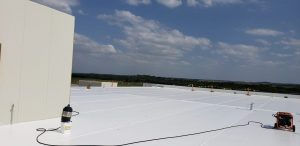
EPDM synthetic rubber membrane roof sealing systems are designed for flat or slightly sloped roofs of civil, commercial and industrial buildings. They are also suitable for extended green roof systems and / or photovoltaic systems. These materials consist of EPDM rubber membranes and a wide range of accessories that suit all types of roofs and environments, offering unmatched performance in terms of durability.
The special hot vulcanization technique used for gluing EPDM membranes seals the entire roof, regardless its size.
A complete waterproofing system for roofs with EPDM membranes is a great option and brings many benefits. There are no joints, so the risks are kept to an absolute minimum.
EPDM roofing Dallas contractors assert that the synthetic rubber membranes have excellent properties and withstand UV rays and any weather conditions. They come as glued or mechanically fastened systems, without the need for additional roof protection. EPDM synthetic rubber is very elastic, wear-resistant, ice-resistant and withstands temperatures down to -45 ° C.
Just like any type of roofing material, the quality of EPDM roofing and its performance in the long run also depends on its quality of installation. An improper installation will create premature damage and require money for expensive (and most likely frequent) repairs.
