Elements of A Modified Bitumen Roof
The requirements for each correct roof construction are complex. The quality of the materials and workmanship significantly determines the service life of the entire roof structure.
Bituminous membranes – a good solution for waterproofing flat roofs
Bituminous membranes are a category of construction materials frequently used for waterproofing buildings. Specifically, they can be used wherever there is a foundation, a terrace, a pool, a flat roof, a basement or a tunnel. Bituminous membranes protect the constructions both from meteoric water (from precipitation) and from groundwater infiltrations.

Modified bitumen roof membranes continue to be a popular option for flat roofs due to their proven performance. They have several layers as well as fiberglass or polyester reinforcement, and the exterior is provided with various finishes – natural slate or sand. Bitumen, a viscous substance, resistant to extreme temperatures, obtained by hot oxidation of oil residues or by distillation of coal, is “responsible” for the sound-insulating properties of bituminous membranes.
These membranes have a long lifespan and they are applied in several layers, either by flame bonding or by using an adhesive. The installation of a modified bitumen roof must be performed only by expert modified bitumin roof Dallas specialists, who are equipped with appropriate work equipment, which may include and certain tools for cutting and pressing materials.
The Benefits of An SPF Foam Roof
Membranes based on polyurethane resins are revolutionary systems through which surfaces are sealed. They are applied using certain specific professional techniques and high-performance equipment, but the procedure is simple and fast for the specialists. SPF foam roofing – based on polyaspartic, polyurethane or polyurea resins – is very resistant and provides exemplary sealing.

SPF foam roof Dallas technicians tell us that waterproofing with SPF foam is an exemplary sealing solution due to the elasticity of the membrane made by polyurethane resins. It will successfully cope with the movements and deformations of the substrate, which will remain efficient and protective even a few decades after application. Unlike other roof waterproofing products, polyurethane resins adhere to a wide range of surfaces, among which we mention: concrete, mortar, ceramics, steel, tile, brick, etc. The application is very simple, by classic methods: using the roller or the brush. A SPF foam roof Dallas will dry fast, as a result of its interaction with the humidity in the air.
The membrane obtained by casting polyurethane materials also ensures a uniform aspect of the roof. The application method automatically involves the removal of adhesives used in the case of waterproofing with solid membranes, as well as the removal of joints. The final result consists in obtaining a completely smooth, homogeneous and aesthetically pleasing polyurethane waterproofing.
Are Clay Roofs Durable
Ceramic tiles are one of the most resistant roofing options, being surpassed only by slate.
The history of clay roofs begins in the year 800 BC, when the Etruscans discovered that pottery can be used not only for creating dishes but also for covering houses. Made of clay mixed with water, air dried and then burned in fire, ceramic tiles withstood the test of time and continue to do so, due to the fact that they can be used on any type of sloped. The environment has little influence on them, due to their high mechanical strength (a clay roof can withstand the weight of snow or ice), resistance to fire, frost, acids, bases, alkaline materials and ultraviolet radiation. Among these qualities, we also mention the fact that it has no pollutant emissions, ensures good ventilation, allows the evacuation of water vapor and has a lifespan of up to 100 years and even longer.
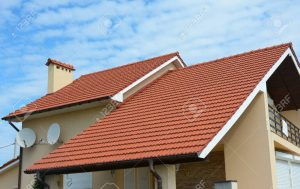
A clay roof is very durable but heavy, so the strength structure must be solid. An inconvenience is the fact that, in time, cracks will appear in the material, which may allow water infiltration, accelerating the damage of the roof. Therefore, a clay roof needs regular maintenance to ensure timely replacement of damaged tiles. It is good to know that tiles with different shapes are not compatible and cannot be combined. This is why specialists – visit http://priorityroofs.com/dallas-commercial/ – recommend that you keep a stock of tiles for future repairs.
Is Slate Roofing Better Than Tile Roofing
Both roofing options are great.
Malleable rocks, with a special appearance, slates are the top natural stones preferred by architects and builders, due to their special structure. With slate or any other type of shale, the most diverse surfaces can be covered vertically and horizontally.
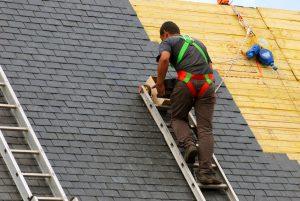
Slate was once widely used to cover houses. Today, cheaper materials are preferred, a natural stone roof being more expensive. But slate roofs provide an appearance of solidity and comfort to a house. Not only the personality it offers to the construction, but also the insulation qualities and resistance to fire or weather make the slate to be preferred by those who own (or are in the process of building) pretentious, stylish houses. The installation of such a roof is complex and must be done by teams of professionals who are experienced in working with this roofing material, because the installation technique is special. Also, given the weight of a slate roof, slate roofing Dallas installers suggest that it is necessary to check the resistance structure and strengthen it if necessary.
Such a roof can last over 100 years, being an investment for several generations.
On the other hand, tile roofing is another distinctive material, highly durable, beautiful and sustainable, exceptionally resistant to the elements as well as to insect damage, which is expected to last for a lifetime. Clay and concrete roof tile have superior aesthetics and can match any architectural style.
What Is Needed To Install Tile Roofing
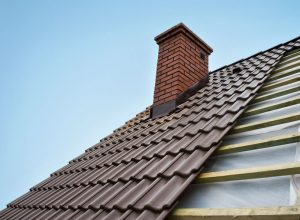
A tile roof is one of the best roofing options, due to its particular durability and resistance in any weather conditions. It is a material that passed the test of time.
Tiles are a traditional material for sloped roofs, and their value also comes from their beautiful aspect. Clay tiles are particularly aesthetic, that is why they are often used on architectural buildings, to complement their style.
A tile expert Dallas commercial roofing contractor clarifies that there are a few aspects related to this type of roofing that must be taken into account.
Tiles are solid and very stable, but they are not as lightweight as other materials, therefore the structure of the building should be prepared to withstand the weight of such a roof. Tiles cannot be installed on an existing roof; the old materials must be removed completely, and the surface of the roof must be leveled with mortar, before installing tiles.
The roof underlay is particularly important in the case of tile roofing; it must be properly attached, or you will end up with overlying tiles. You will need to pay particular attention to the roof edges and valleys, where the surface must be protected with an extra layer of underlay material (coated base sheet, asphalt-impregnated roofing felt etc.).
What is TPO for Commercial Roofing
Every year, all around the world, massive sums of money are invested in public/private infrastructure, and construction projects. According to some studies, 80% of the damage is related to waterproofing problems. Investing in high quality membranes not only protects the building against water infiltration, but also ensures efficient use of resources, low maintenance costs and high long-term return on investment.
TPO membranes are some of the most commonly used products for sealing commercial roofing.

The production of TPO membranes began over 30 years ago. Nowadays, they consist of thermoplastic polyolefins and also include special additives to improve fire and antioxidant properties, as well as various stabilizers. According to practiced TPO roofing Dallas contractors, all these help to increase the durability of the membranes and their resistance to external conditions. TPO membranes are reinforced with polyester foil, but there are also product versions without reinforcement.
TPO membrane can be used in various regions, regardless of the climate. This material is usually white, which is why it is used successfully to reduce energy consumption during the summer, in very sunny areas. White reflects solar radiation, so the roof`s temperature will remain lower, which will reflect into the cooling costs.
TPO membranes have excellent quality characteristics:
- elasticity
- eco-friendliness
- flexibility
- resistance to wear and tear
- durability
- UV resistance

North Texas is among the regions most frequently affected by hail and strong storms and not only in the state, but in the entire country. The hail and the fast winds that are so common in the area are the worst enemies of roofs, but fortunately, the manufacturers of roofing materials have developed special materials to meet these specific challenges: impact-resistance roofing products. Here are some things that you should know about these solutions:
- What makes these materials special – any roofing material that is rated for high impact resistance is manufactured using special technologies and is tested for impact resistance in a laboratory. The tests involve dropping steel balls onto the material as well as wind simulations and only the materials that pass the tests receive the rating;
- Material types – Tile roofing Dallas specialists confirm that almost all common roofing materials are available in impact-resistant versions. You can nowadays find impact resistant wood, ceramic, fiberglass and metal roofing systems easily available from numerous marketers;
- The benefits of impact resistant roofs – beside high durability and resistance to even the most devastating forces of nature, the building owners who choose to have an impact resistant roof installed might be eligible for insurance premium discounts as well as other, state-level financial incentives.
Every year, the storm season in Dallas comes with hot weather that can change very quickly – one minute you are enjoying the bright sunshine, then all of a sudden, the sky becomes dark, extreme winds start to blow and everything turns gloomy. The strong storms that visit Dallas so frequently are hard on local homes and especially harsh on local roofs and cause millions of dollars of damage in the region each year.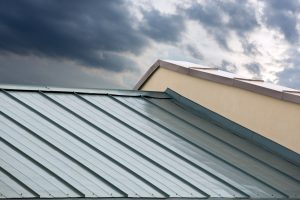
While there is no guarantee that you can prevent all kinds of damage to your Dallas home, metal roofing Dallas pros say that you can certainly prepare your property for extreme weather – here is how:
- Clean and repair your roof before the storm season starts – you should never go into the storm season without your roof cleaned, checked for damage and repaired. Getting every issue, even the tiniest fault, fixed before the hard times even start is the best way to ensure that your roof is at its very best when the next storm hits;
- Clean your landscape – weakened tree limbs can be easily lifted by the strong winds associated with storms and they can cause severe damage in your building, breaking your roof and shattering your windows. To avoid the problem, inspect your trees and large shrubs regularly and remove any dead branches;
- Move your outdoor valuables inside – start moving your outdoor furniture and other valuables to a safe place the minute you find put about a storm that is coming your way – extreme weather might travel faster than anticipated.
How to Perform Comparisons of Roofing Materials
If you are currently browsing available materials for your new roof, you are probably overwhelmed by the wide range of options. Whatever the type and size of your roof, there are many different materials that can work for you, so here are a few factors that should determine your choice:
- Your budget – asphalt shingles are the most affordable options, followed by metal and plastic roofing materials. Clay and cement tiles occupy the medium to high section of the price range, while natural materials, such as wood shingles, wood shakes and slate are the most expensive. When calculating how much the specific options will cost you in the end, make sure to add labor costs as well as the costs of the accessories, such as the gutters and the vents;
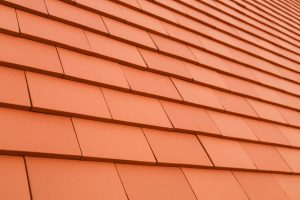
- Your climate – while all roofing materials are suitable for mild climate areas, if you live in a region that gets extreme weather all the time, you will need to find the material that works best for those climate conditions. According to experienced clay roofing Dallas contractors, clay and cement tiles can withstand even the harshest weather and so does metal and slate, but wood does not take excessive humidity well;
- Your building – most roofing materials come in a wide range of styles and color options, so finding the right hue and shape should not be a problem with any of them. What you need to consider, however, is the weight-bearing capacity of your building – clay, cement and slate are very heavy and not all buildings can take the huge weight.
Tips for Selecting a Commercial Roofing Contractor
The knowledge, expertise and attitude of your roofing contractor will determine how solid and durable the roof on your commercial is and will be, therefore selecting the right roofer is very important. There might be several great roofers available in your area, but not all of them are suitable for your roofing project – here are some tips to find the one that can do the best job on your roof:
- Do an online search – most roofers today have company websites on which they introduce their company and they share information about their previous projects and specializations. Check Dallas commercial roofing company websites and pick at least three or four companies that seem suitable for your roofing project;
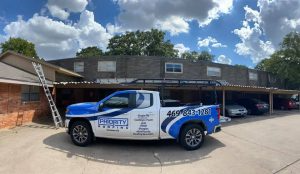
- Check reputation – online Dallas commercial roofing company review sites and forums are great for finding out what a roofer’s previous clients think about the services provided by the roofer. Take your time to read as many of these reviews and opinions as you can;
- Contact the roofers on your list for a personal meeting – schedule meetings with the roofers you consider suitable based on your preliminary research. During the meetings, describe your project in detail and ask questions about the roofer’s credentials, their license, insurances, certificates as well as about the roofing procedure and the warranties offered. At the end of the meeting, request written cost estimates from each candidate and make your final decision based on your preliminary research as well as on the cost estimates.
